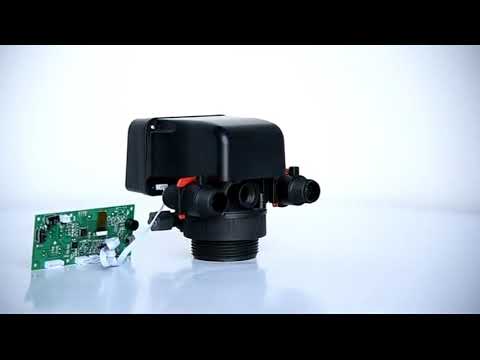
Troubleshooting Guide: What to Do When Your Water Softener Valve Stops Working
Water softeners are essential household appliances that help to improve the quality of water used in homes. They function by removing minerals such as calcium and magnesium, which cause water hardness, thus providing soft water that is better for your skin, hair, and appliances. However, like any other appliance, water softeners can sometimes experience technical issues. One common problem is the malfunctioning of the water softener valve. This article provides a comprehensive troubleshooting guide on what to do when your water softener valve stops working.
| Model | Central tube | Drain | Brine tank connector | Base | Maximum power | Pressure |
| 2700 | 1.05″ O.D. | 3/4″NPTF | 3/8″ & 1/2″ | 2-1/2″-8NPSM | 74W | 2.1MPa |
| 2700 | 1.05″ O.D. | 3/4″NPTF | 3/8″ & 1/2″ | 2-1/2″-8NPSM | 74W | 0.14-0.84MPa |
The water softener valve is a critical component of the water softener system. It controls the flow of water into and out of the system, and it also regulates the regeneration cycle, which is the process of recharging the resin beads that remove the hard minerals from the water. When the valve is not working correctly, it can lead to several issues, including reduced water flow, leakage, or even a complete shutdown of the system.
The first step in troubleshooting a malfunctioning water softener valve is to identify the specific problem. This can be done by observing the symptoms. For instance, if the water flow is reduced or if there is a leakage, it could indicate a problem with the valve. On the other hand, if the system is not regenerating, it could mean that the valve is not correctly controlling the regeneration cycle.
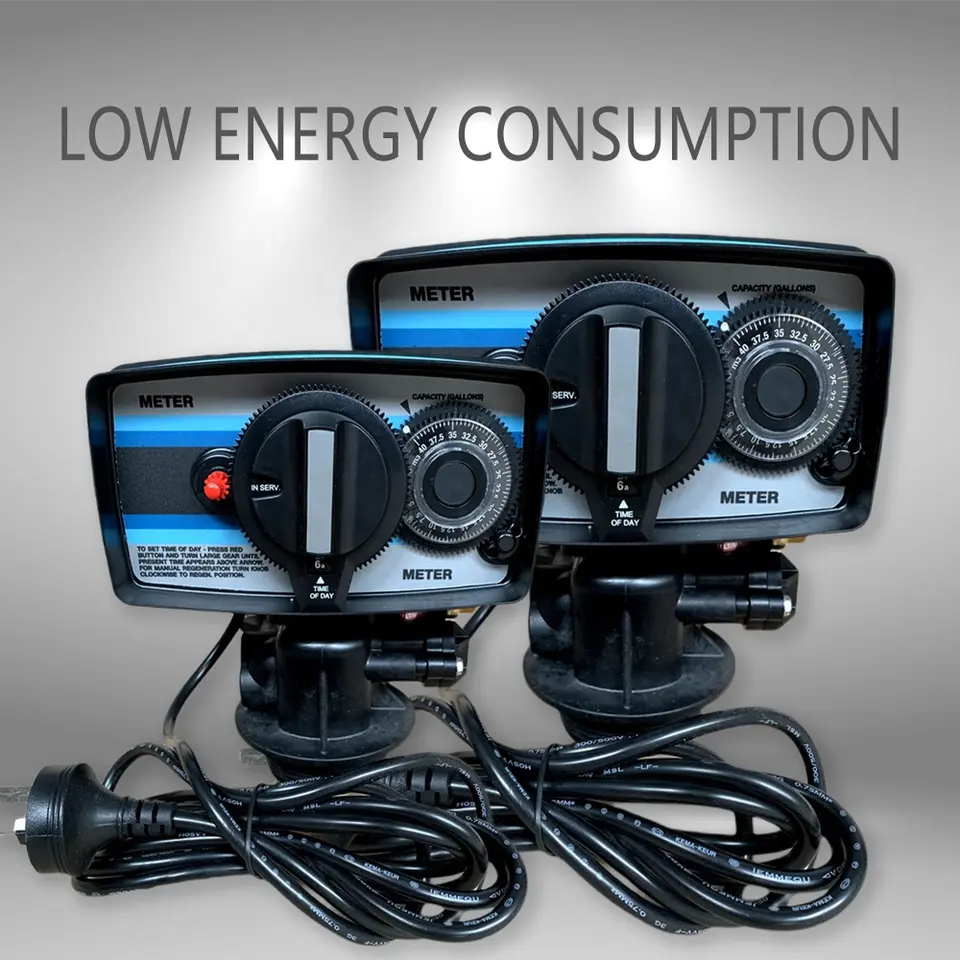
Once the problem has been identified, the next step is to inspect the valve. This should be done carefully to avoid causing further damage to the system. Start by checking the valve for any visible signs of damage, such as cracks or wear. If there are no visible signs of damage, the problem could be due to a blockage. In this case, the valve should be disassembled and cleaned to remove any debris that could be causing the blockage.
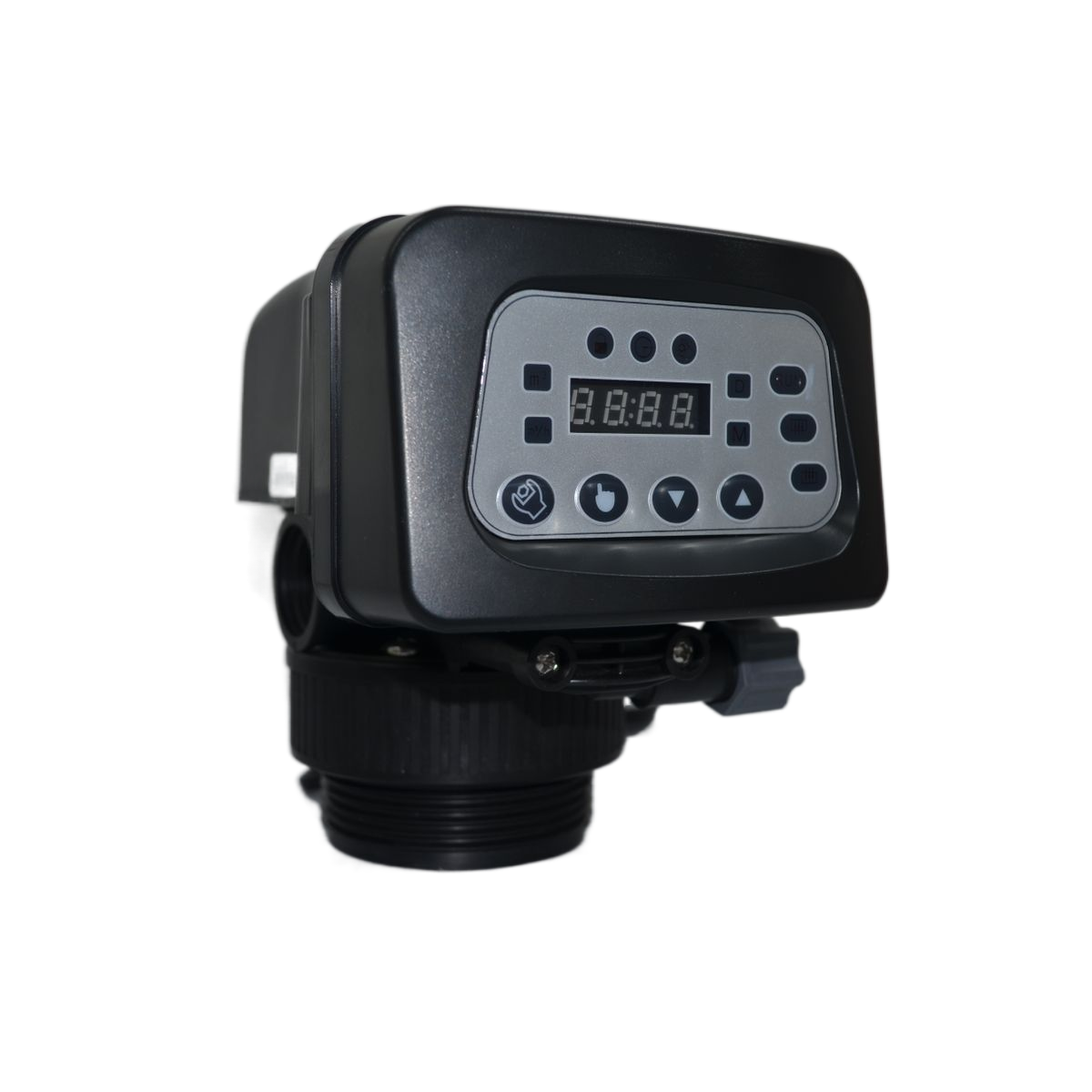
If cleaning the valve does not solve the problem, it could mean that the valve is worn out and needs to be replaced. Replacing a water softener valve is a relatively straightforward process, but it requires some technical knowledge. Therefore, if you are not comfortable doing it yourself, it is advisable to hire a professional to do it for you.
In some cases, the problem could be due to a faulty timer, which controls the regeneration cycle. If the timer is not working correctly, it could cause the valve to malfunction. Therefore, if the valve is in good condition and there is no blockage, it would be wise to check the timer.
| Model: Automatic Softener Valve | ASE2 -LCD/LED | |
| Refilling type | refill before regeneration | refill after regeneration |
| Working Position | Service->Refill the softener water->Service->Back Wash->Upflow Brine and slow rinse->Fast rinse->Service | Service->Back Wash->Upflow Brine and slow rinse-> Fast rinse-> Refill the softener water->Service |
| Automatic type | Automatic type | |
| Meter Delay | Meter Delay | |
| Regeneration mode | Intelligent Meter Delay | Meter immediate |
| Timer by day : 0-99 days | Intelligent Meter Delay | |
| Timer by hours: 0-99 hours | Intelligent Meter Immediate | |
| Timer by day : 0-99 days | ||
| Timer by hours: 0-99 hours | ||
| Inlet | 1/2” 3/4” 1” | |
| Outlet | 1/2” 3/4” 1” | |
| Drain | 1/2” | |
| Base | 2-1/2” | |
| Riser pipe | 1.05” OD | |
| Water Capacity | 2m3/h | |
| Working Pressure | 0.15-0.6Mpa | |
| Working Temperature | 5-50°C | |
| Power Supply | AC100-240 / 50-60Hz / DC12V-1.5A | |
In conclusion, troubleshooting a malfunctioning water softener valve involves identifying the specific problem, inspecting the valve, cleaning or replacing the valve if necessary, and checking the timer. While some of these steps can be done by a homeowner, others may require professional assistance. Therefore, if you are not confident in your ability to troubleshoot and fix the problem, it is advisable to seek help from a professional. Remember, regular maintenance of your water softener system can help to prevent problems with the valve and other components, thus ensuring that your system operates efficiently and provides you with soft water for many years.