It seems we can’t find what you’re looking for. Perhaps searching can help.

Other Related Posts

SS and NH3-N Sensors: Protecting Water Resources During Flood Events

SS and NH3-N Sensors: Protecting Water Resources During Flood Events Key Takeaways Suspended solids monitoring reduces treatment costs by 25-40% through optimized process control Ammonia nitrogen detection prevents $890 million annually in aquatic ecosystem damage Flood conditions increase SS concentrations by 500-1000% within hours Real-time sensor data enables 80% faster contamination source identification Continuous monitoring…

do water filtration vacuums work

do water filtration vacuums work

Yes, water filtration vacuums effectively remove dirt and allergens from your home. The Effectiveness of Water Filtration Vacuums Do water filtration vacuums work? This is a question that many homeowners ask themselves when considering purchasing a new vacuum cleaner. Water filtration vacuums have gained popularity in recent years due to their claims of superior cleaning…

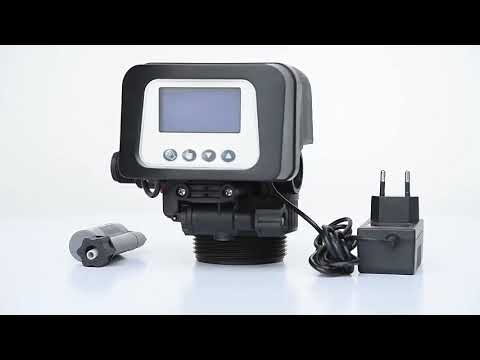
fleck valve water softener

fleck valve water softener

Benefits of Using Fleck Valve Water Softener Systems Water softeners are essential appliances for many households, especially those located in areas with hard water. Hard water contains high levels of minerals such as calcium and magnesium, which can cause a variety of issues including scale buildup in pipes and appliances, soap scum on dishes and…

Electrochemical Treatment Economics: Sub-2 kWh/m³ Energy Consumption

Electrochemical Treatment Economics: Sub-2 kWh/m³ Energy Consumption Key Takeaways: – Optimized electrochemical treatment systems achieve <2 kWh/m³ energy consumption while maintaining >95% organic pollutant removal efficiency – Energy costs represent 50-70% of electrochemical treatment operational expenses, creating strong incentives for optimization – Advanced electrode materials and pulsed power operation can reduce energy consumption by 20-30%…

Electrochemical Treatment for High-Salinity Industrial Wastewater: Technologies and Applications

Electrochemical Treatment for High-Salinity Industrial Wastewater: Technologies and Applications Key Takeaways Global electrochemical water treatment market reached $3.86 billion in 2025, with electrochemical treatment for high-salinity wastewater growing at 14% annually Electrochemical oxidation reduces treatment costs by 15% compared to traditional chemical coagulation in oil-containing wastewater applications Chinese enterprises now hold 37% of global patents…