It seems we can’t find what you’re looking for. Perhaps searching can help.

Other Related Posts

Color Removal Monitoring in Textile Effluent: Sensor Selection with Shanghai ChiMay

title: Color Removal Monitoring in Textile Effluent: Sensor Selection with Shanghai ChiMay date: 2026-06-27 Color Removal Monitoring in Textile Effluent: Sensor Selection with Shanghai ChiMay Key Takeaways: – Reactive and disperse dyes contribute over 70% of unfixed colorant discharged in textile wastewater – Visible color exceeding 50 Pt-Co units triggers regulatory action in most OECD…

How Does Electrochemical Oxidation Compare to Traditional Chemical Treatment for Industrial Effluents?

How Does Electrochemical Oxidation Compare to Traditional Chemical Treatment for Industrial Effluents? Key Takeaways Electrochemical oxidation reduces chemical consumption by 40-60% compared to traditional chemical coagulation Treatment costs for oil-containing wastewater have decreased by 15% through electrochemical technology adoption Capital costs for electrochemical systems are 20-30% higher, but operational savings typically recover investments within 2-3…

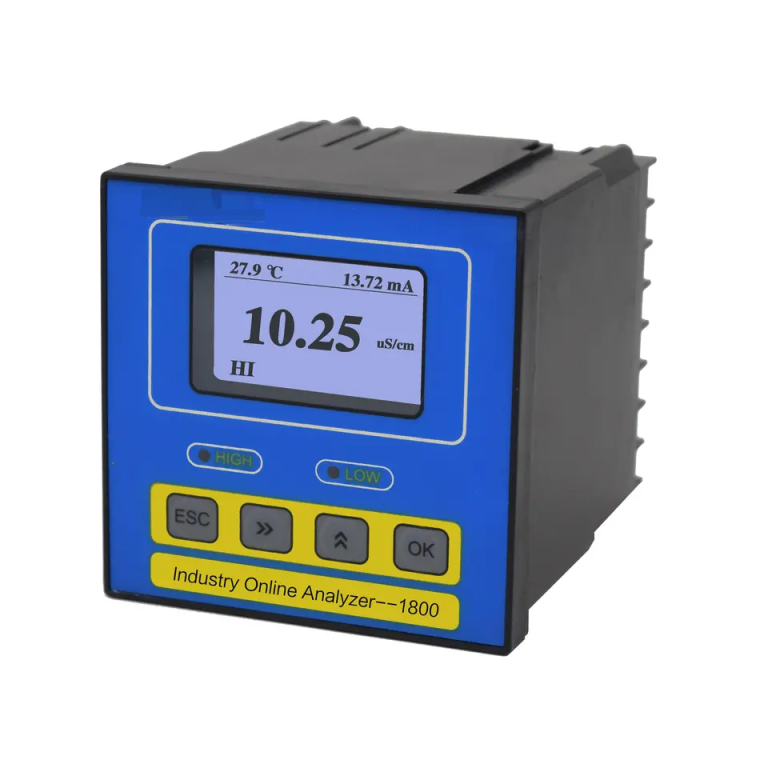
be 32 conductivity probe

be 32 conductivity probe

Benefits of Using a Conductivity Probe for Water Quality Testing Water quality testing is an essential aspect of ensuring the safety and purity of our drinking water. Conductivity probes are valuable tools that can help in this process by measuring the ability of water to conduct an electrical current. The Be 32 conductivity probe is…