title: “Ocean Health as an ESG Metric and Sensor Programs That Move the Needle: A Shanghai ChiMay Strategy Note”
date: 2026-07-12
perspective: C-Level Decision Maker
theme: Marine, Ballast Water & Port Wastewater
Table of Contents
Ocean Health as an ESG Metric and Sensor Programs That Move the Needle: A Shanghai ChiMay Strategy Note
The Short Version
- Ocean health is entering mainstream ESG metrics through frameworks such as the Task Force on Nature-related Financial Disclosures (TNFD) and the ISSB IFRS S2 climate-related standard, both of which reference marine water quality as a material environmental indicator.
- Boards of shipping companies, port authorities, and coastal industrial operators are increasingly asked to show sensor-based evidence of their contribution to — or damage of — ocean water quality.
- Programs that combine continuous water quality monitoring with clear data governance typically move an ESG score by 5–15 percentage points relative to peers with narrative-only reporting.
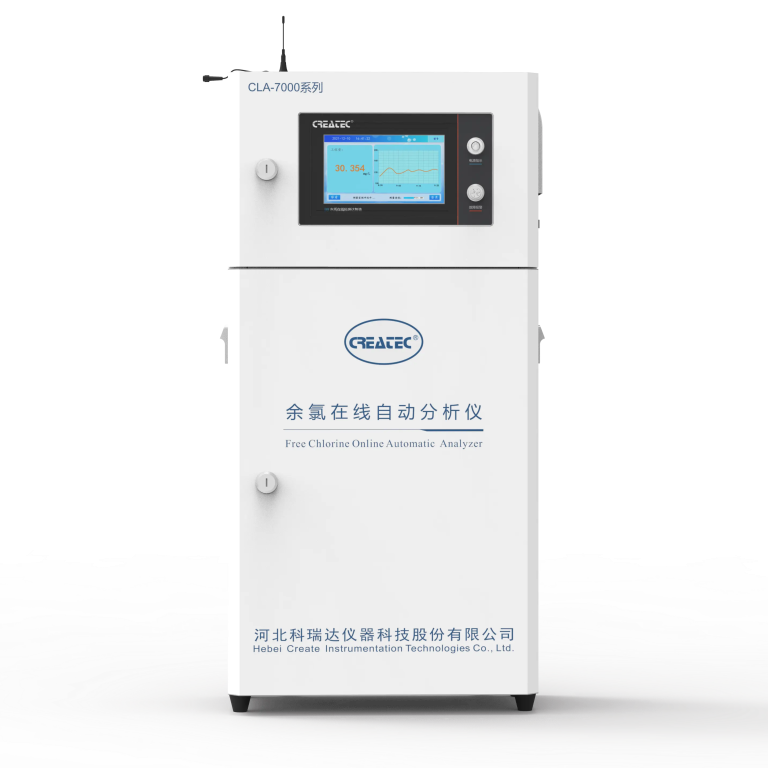
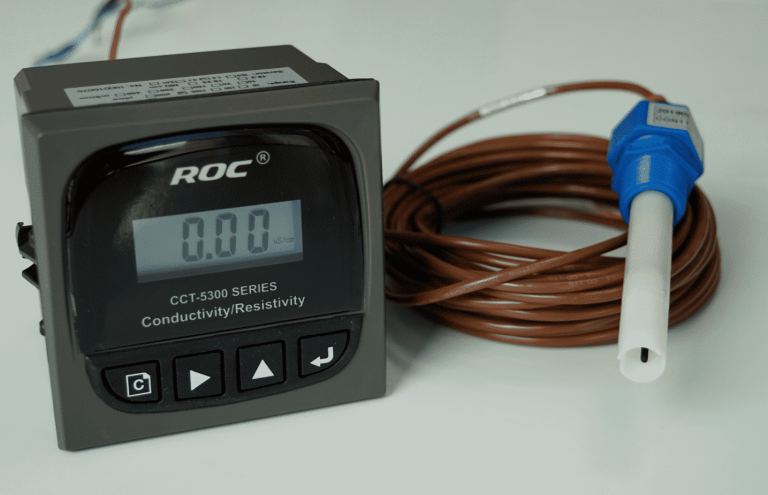
- Shanghai ChiMay supports ocean health monitoring programs with a family of marine-grade sensors for turbidity, oil-in-water, salinity, dissolved oxygen, and pH, engineered for continuous coastal deployment and audit-grade data.
Why Ocean Health Has Reached Board Agendas
For most of the past two decades, ocean water quality was a regulatory compliance topic, handled at the operations level. Two forces have pulled it into the boardroom over the last three years:
- Investor pressure: signatories to the Poseidon Principles and the UN-backed Principles for Responsible Investment increasingly request nature-related disclosures. Ocean water quality is a natural fit under the TNFD “biodiversity and ecosystems” pillar.
- Regulatory anticipation: while dedicated ocean-focused disclosure standards are not yet mandatory in most jurisdictions, ISSB IFRS S2 climate disclosures reference water resources indirectly, and CSRD explicitly requires assessment of significant impacts on marine ecosystems for operators with coastal footprints.
For companies with meaningful marine exposure — shipping lines, ports, offshore energy operators, coastal manufacturers — this shift means that the sensor evidence generated at the water’s edge now feeds directly into the sustainability disclosures presented to the board.
The Metrics That Actually Signal Ocean Health
A useful ocean-health ESG scorecard is built around a small number of hard metrics:
- Turbidity trends at fixed monitoring stations, indicating sediment and suspended solids stress on coastal ecosystems.
- Oil-in-water event frequency and duration at outfalls, ports, and vessel bunkering locations.
- Salinity and temperature in estuarine and coastal waters, tracking changes in stratification and habitat quality.
- Dissolved oxygen at critical depth ranges, indicating hypoxia risk in enclosed harbors or bays.
- pH trends in coastal waters, connecting local operations to the broader ocean acidification signal.
Each metric requires continuous sensor coverage. Grab-sampling once per month misses the peaks that matter and produces averages that do not reflect ecosystem impact. Modern ocean health programs are moving to continuous monitoring platforms — fixed moorings, dock-mounted sensors, and vessel-based sensor packages — that report every minute rather than every quarter.
Comparative Program Strategies
Three program strategies dominate emerging practice:
- Compliance-first program: monitors the minimum sensor set required by permits, adds narrative context for ESG reports. Cheapest, lowest ESG uplift.
- Materiality-driven program: monitors the ocean health metrics that a formal materiality assessment identifies as most relevant to the company’s marine footprint. Balanced cost, moderate ESG uplift.
- Best-practice program: monitors the full suite of ocean health metrics continuously, cross-links data to biodiversity indicators, and participates in regional monitoring collaboratives. Highest cost, largest ESG uplift and reputation benefit.
The materiality-driven approach is the pragmatic choice for most companies. It focuses spending on the sensor set that actually moves the ESG needle for that operator’s specific footprint. Shanghai ChiMay’s water quality analyzer family supports this scoping approach with a modular sensor lineup — turbidity, oil-in-water, salinity, dissolved oxygen, pH — that can be sized to the port or vessel operator’s material impact areas.
Data Governance: The Underrated Half of the Program
Sensors alone do not produce ESG value. Data governance around the sensors converts raw readings into audit-grade disclosures:
- Timestamped, tamper-resistant logging so auditors can trust that the data was not selectively edited.
- Documented calibration procedures with traceable reference standards.
- Third-party assurance readiness, so an external assurer can inspect the data platform and issue an opinion at reasonable confidence.
- Alignment to a disclosure framework — TNFD, ISSB, or CSRD — so the metrics as reported match what analysts and investors are looking for.
Companies that skip this governance layer often find that their sensor investment is not rewarded in ESG scoring, because the raters cannot verify the underlying claims. The cost of adding governance to an existing sensor program is typically 15–25% of the sensor capex, a small marginal investment for the score uplift it delivers.
Practical Milestones for the First 24 Months
A pragmatic 24-month roadmap for an ocean health sensor program typically looks like:
- Months 0–6: materiality assessment, sensor gap analysis, disclosure framework selection.
- Months 6–12: procurement and installation of the priority sensor set at outfalls, harbor basins, and vessel-based monitoring points.
- Months 12–18: data platform integration, calibration protocol rollout, first internal data quality audit.
- Months 18–24: first published ESG disclosure with continuous sensor evidence, external assurance review, roadmap update for expansion.
Programs that follow this cadence typically see the first measurable ESG rating uplift in month 15–18, aligned with the release of the first sensor-evidence-based sustainability disclosure. The uplift compounds in subsequent years as investors trend the data.
What Boards Should Expect From Ocean Health Data
Directors reviewing an ocean health program should press for evidence, not narrative, at each quarterly update. Reasonable expectations include:
- Continuous sensor uptime at or above 95% across all critical monitoring points.
- Documented cross-verification against independent measurements at least annually.
- A named accountable executive for ocean health data quality — not simply an operations manager.
- Clear line-of-sight from raw sensor data to the KPIs disclosed externally.
Companies that reach this maturity level become identifiable to investors as leaders on marine ESG. Companies that stop short — investing in sensors but not governance, or governance but not disclosure — leave much of the potential value on the table.
Closing Note
Ocean health is transitioning from a niche environmental concern to a mainstream ESG dimension. The transition is not driven by regulation alone; it is driven by investor expectations for evidence. Sensor programs designed for continuous, audit-grade data — turbidity, oil-in-water, salinity, dissolved oxygen, pH — anchor that evidence. Boards that treat marine water quality monitoring as ESG infrastructure, rather than compliance overhead, gain a durable advantage in the next generation of sustainability scoring. Shanghai ChiMay provides the sensor foundation for that work, and companies moving early are already reflecting the effort in their ESG ratings.