Water management in mining operations has evolved from a support function to a strategic priority that influences capital allocation, operational efficiency, and social license to operate. The International Council on Mining and Metals (ICMM) has made water stewardship a core sustainability commitment for its members through its Water Stewardship Framework (2014) and subsequent position statement (2017), reflecting the recognition that water management directly impacts business performance and community relations.
Strategic water management encompasses the full lifecycle of water through mining operations, from initial sourcing through process use and ultimate discharge or reuse. This comprehensive view identifies optimization opportunities that departmental approaches typically miss. Water and energy are intrinsically linked, with pumping and treatment consuming substantial electricity that represents significant cost and carbon emission implications.
Executive leadership increasingly recognizes water management as a source of competitive advantage rather than simply a compliance requirement. Operations that achieve superior water efficiency can reduce operating costs, access water-constrained sites unavailable to competitors, and build community relationships that facilitate permitting and expansion approvals.
Table of Contents
Developing Comprehensive Water Strategies
Effective water strategies begin with comprehensive assessment of current water use across all operational areas. Detailed water balances quantify flows, identify losses, and reveal opportunities for recycling and reuse. The World Resources Institute’s water-risk tools (notably Aqueduct) provide frameworks for siting and water-use assessments that support strategic planning and target setting.
Benchmarking against industry standards and peer operations establishes performance context and identifies improvement priorities. Top-quartile performers in water-intensive industries consistently run consumption well below sector averages — the gap is real, and it is where much of the improvement opportunity lives.
Water risk assessment identifies vulnerabilities that strategic planning must address. Physical risks include water scarcity, quality degradation, and climate change impacts. Regulatory risks encompass tightening discharge standards, permitting delays, and water rights restrictions. Reputational risks arise from community impacts and stakeholder concerns. Integrated risk assessment enables prioritization of mitigation investments.
Technology-Driven Optimization
Digital water management platforms integrate monitoring data, operational parameters, and analytical capabilities that enable continuous optimization. Internet of Things (IoT) sensor networks provide granular visibility into water use patterns that traditional metering cannot deliver. Machine learning algorithms identify patterns and predict demand variations that enable proactive management.
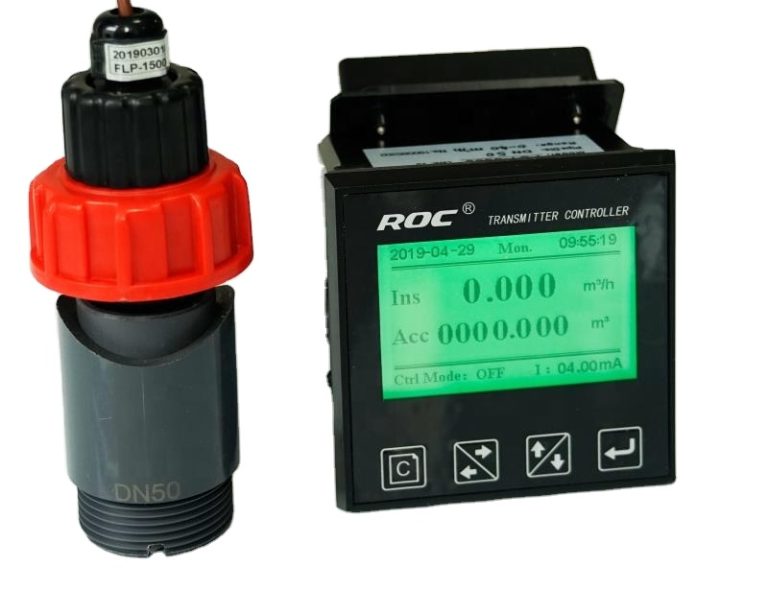
Shanghai ChiMay’s water quality monitoring platforms integrate with digital water management systems through standard communication protocols. These platforms capture critical parameters including flow, pH, conductivity, turbidity, and dissolved oxygen across distributed monitoring points. Data aggregation and visualization tools transform raw measurements into actionable intelligence that supports operational decisions.
Real-time optimization algorithms adjust water system parameters automatically to minimize consumption while maintaining process requirements. Setpoint optimization based on dynamic process conditions reliably beats fixed setpoint approaches, and the savings compound across thousands of operating hours to generate substantial annual benefits.
Water-Energy-Carbon Nexus
Water and energy systems are fundamentally interconnected in mining operations. Pumping, treatment, heating, and cooling all require energy while treating wastewater disposes of water that has already consumed energy inputs. This nexus creates opportunities for simultaneous optimization that benefits both water and energy performance.
Energy consumption for water systems is a material share of total site energy use, varying with water intensity and elevation differences. The International Energy Agency (IEA), in its Water-Energy Nexus analysis, reports that the water sector accounts for roughly 4% of global electricity consumption — and high-lift, treatment-intensive mine sites can exceed that average.
Carbon accounting frameworks increasingly require consideration of water-related emissions. Embodied carbon in purchased water, energy-related emissions from pumping and treatment, and discharge impacts all contribute to water-related carbon footprints. Strategic water management that reduces consumption and treatment requirements simultaneously reduces both costs and carbon emissions.
Supply Chain and Procurement Optimization
Water procurement strategies significantly influence overall water costs and supply security. Municipal water purchases carry premium costs but provide reliability and quality consistency. Surface water diversions require less treatment but face availability constraints during drought periods. Groundwater extraction costs vary with depth and quality while potentially affecting local hydrology.
Contract negotiations for water services should incorporate volume commitments, quality guarantees, and flexibility provisions sized to production variability. Quality specifications should match actual process requirements rather than defaulting to potable standards where lower quality is acceptable.
Supplier relationship management extends beyond transactional purchasing to strategic partnerships that align incentives. Volume-based pricing tiers create opportunities for cost reduction through consolidated purchasing. Technical collaboration with suppliers can identify usage optimization opportunities that benefit both parties. Joint investment in monitoring infrastructure improves visibility and enables more efficient operations.
Regulatory Navigation and Compliance Excellence
Regulatory frameworks for mining water management have become increasingly complex and stringent over the past two decades. National regulations, state or provincial standards, and site-specific permit conditions create layered requirements that require systematic management — mining sits among the most heavily regulated industrial sectors for water.
Proactive compliance strategies reduce risk and avoid the substantial costs of enforcement actions. In the United States, Clean Water Act civil penalties now run as high as $68,445 per violation per day (2025 inflation-adjusted), and serious cases can escalate well beyond civil fines, including criminal referral. Beyond direct penalties, enforcement actions create reputational damage and regulatory scrutiny that affects permitting for future projects.
Permitting optimization requires early engagement with regulatory agencies and proactive identification of issues that could delay approvals. Regulators consistently reward applicants who arrive with a defensible baseline, monitoring data, and a genuine consultation record — and they penalize surprises. Strategic environmental assessment that anticipates regulatory concerns and develops mitigation plans demonstrates good faith that regulators value.
Community Relations and Social License
Water management directly affects community relationships and social license to operate. Mining operations compete with agricultural, domestic, and environmental water uses that may have greater social and cultural value. Competition for scarce water resources creates conflict potential that proactive water management can mitigate.
Community benefit agreements increasingly include water-related provisions that formalize operator commitments. Water sharing arrangements, infrastructure investments, and environmental monitoring participation create mutual interests that strengthen relationships. The United Nations Global Compact (including the CEO Water Mandate) provides guidance on water stewardship engagement that supports positive community outcomes.
Transparent water reporting builds trust and demonstrates accountability for water management performance. The CDP Water Security questionnaire provides frameworks for disclosure that enable stakeholder assessment of water management practices. Companies reporting through CDP frameworks report improved community relationships and reduced conflict compared to non-reporting peers.
Measuring Success and Continuous Improvement
Key performance indicators (KPIs) enable tracking of water management progress and identification of areas requiring additional attention. Primary KPIs should include total water consumption, water intensity per unit of production, recycling rates, discharge quality, and compliance metrics. The International Organization for Standardization (ISO) 14046 framework provides guidance on water footprint assessment.
Target setting establishes performance expectations that drive improvement efforts. Science-based targets that align with regional water availability constraints provide credibility and strategic direction. Short-term operational targets support progress toward longer-term strategic objectives. Regular target review ensures that goals remain appropriate as circumstances evolve.
Continuous improvement processes systematically identify and implement water management enhancements. Annual water efficiency audits assess performance against targets and identify new opportunities. Technology scanning identifies emerging solutions that could deliver additional benefits. Best practice sharing across operations accelerates adoption of proven approaches.
Strategic water management delivers substantial benefits that extend beyond simple cost reduction to encompass risk management, competitive positioning, and social license protection. Operations that develop comprehensive water strategies, implement enabling technology, and engage stakeholders effectively achieve superior outcomes across multiple dimensions. Shanghai ChiMay’s monitoring solutions support strategic water management through the reliable, accurate data that informed decision-making requires.