It seems we can’t find what you’re looking for. Perhaps searching can help.

Other Related Posts

Chlorine Residual Management: Ensuring Drinking Water Safety in Distribution Systems

Chlorine Residual Management: Ensuring Drinking Water Safety in Distribution Systems Key Takeaways: – 94% of waterborne disease outbreaks originate from distribution system contamination rather than source water problems – Maintaining chlorine residual above 0.2 mg/L throughout distribution systems prevents most microbial regrowth – Continuous chlorine monitoring reduces sampling costs by 60% while improving outbreak detection…
How Can Industries Achieve 95% Water Recovery Without Compromising Quality?

Key Takeaways Industries achieving 95% water recovery reduce freshwater consumption by $2.1 million annually on average Advanced treatment trains combining membrane processes and advanced oxidation enable high recovery rates Real-time monitoring systems provide 99.2% uptime for optimized recovery operations Capital investment in high-recovery systems typically achieves 18-36 month payback Zero liquid discharge (ZLD) systems can…

ortega pool diverter valve

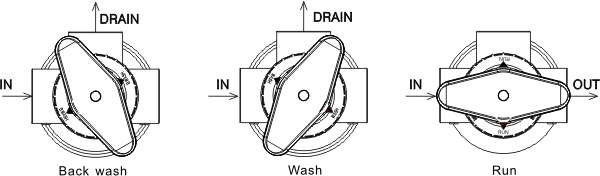
How to Troubleshoot and Repair Ortega Pool Diverter Valve Issues Ortega pool diverter valves are essential components of a pool’s plumbing system, allowing water to be directed to different areas of the pool, such as the main drain, skimmer, or pool returns. However, like any mechanical device, diverter valves can experience issues that may affect…

PFAS Detection Methods: A Complete Guide to Per- and Polyfluoroalkyl Substance Monitoring

Key Takeaways PFAS compounds have been detected in 94% of monitored U.S. waterways according to EPA assessments Analytical costs for comprehensive PFAS analysis range from $300 to $800 per sample depending on compound count Real-time PFAS screening technologies achieve detection limits below 10 parts per trillion for key compounds EPA Maximum Contaminant Level (MCL) proposals…

Residual Chlorine Sensor Selection for Food and Beverage Processing Applications

Key Takeaways Food and beverage processing facilities consume approximately $4.2 billion annually in water treatment costs, with disinfection representing 18% of total expenditure Residual chlorine sensor technology provides measurement accuracy of ±0.03 mg/L for precise disinfection control Optimized chlorine dosing through continuous monitoring reduces chemical costs by 28% while maintaining regulatory compliance ChiMay’s electrochemical sensors…