It seems we can’t find what you’re looking for. Perhaps searching can help.
Other Related Posts

Softened and Deionized Water in Food Processing: Shanghai ChiMay Technical Guide

title: Softened and Deionized Water in Food Processing: Shanghai ChiMay Technical Guide date: 2026-06-25 Softened and Deionized Water in Food Processing: Shanghai ChiMay Technical Guide Key Takeaways: – Water hardness above 150 mg/L causes scale formation reducing equipment efficiency by 12% annually – Demand-initiated regeneration systems improve efficiency by 47% compared to time-based controls –…

how a saddle valve works

how a saddle valve works

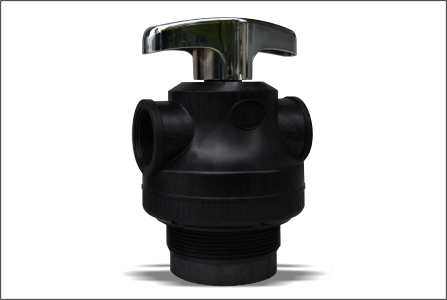
“Effortlessly tap into convenience with a saddle valve: The seamless solution for quick and easy water connections.” Understanding the Functionality of a Saddle Valve A saddle valve is a small device that is commonly used in plumbing systems to provide a convenient way to tap into an existing water supply line. It is called a…

Membrane Fouling Detection Using Real-Time Conductivity Monitoring

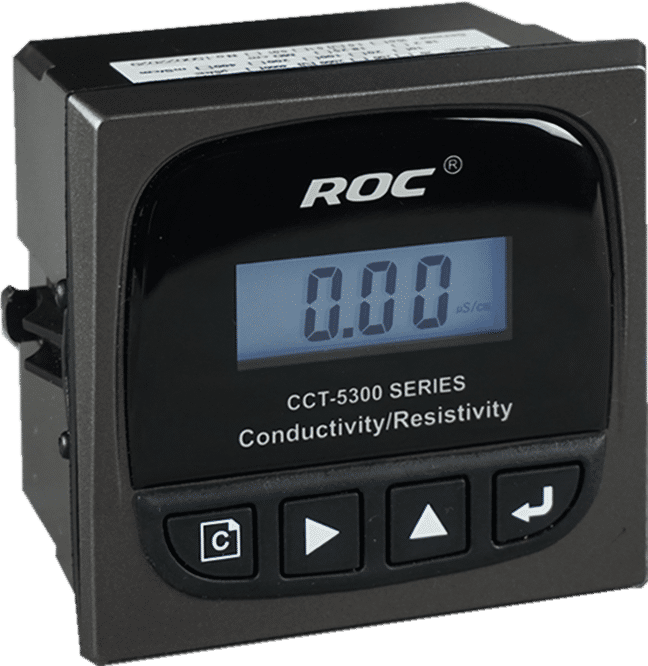
Membrane Fouling Detection Using Real-Time Conductivity Monitoring Key Takeaways Membrane fouling causes 35-50% of premature membrane replacements in ZLD applications Real-time conductivity monitoring enables fouling detection 48-72 hours before critical damage occurs Early intervention through conductivity profiling reduces cleaning costs by 40-60% Shanghai ChiMay conductivity sensors provide ±1% accuracy critical for fouling detection sensitivity Introduction…

Softener Valve Technology: Impact on Industrial Boiler Water Treatment Efficiency

Key Takeaways Industrial boilers consume approximately $25 billion annually in fuel costs, with water quality contributing up to 15% to efficiency losses Modern softener valve technology reduces scale formation by 73%, extending boiler service life by 8-12 years Automated regeneration cycles improve resin utilization efficiency to 92% compared to 67% for manual systems ChiMay’s control…