It seems we can’t find what you’re looking for. Perhaps searching can help.
Other Related Posts

Inline Conductivity Meters in Reverse Osmosis Systems: Application Guide for System Operators

Key Takeaways: RO system efficiency degrades by 1-3% annually without proper monitoring Online conductivity monitoring reduces membrane cleaning frequency by 30-40% Normalized conductivity analysis extends membrane life by 15-25% Reverse osmosis (RO) membrane technology has become the workhorse process for desalination, water reuse, and ultrapure water production worldwide. From municipal desalination plants processing millions of…

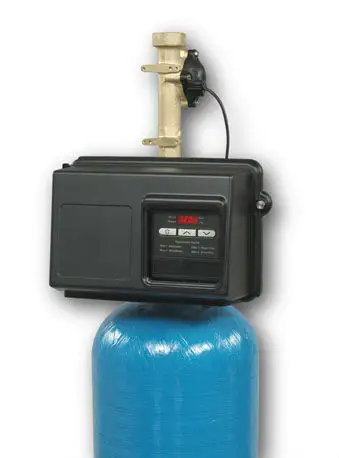
model 2510 water softener

Benefits of Installing a Model 2510 Water Softener in Your Home Water softeners are essential appliances for homeowners looking to improve the quality of their water supply. One popular model that has gained recognition for its efficiency and effectiveness is the Model 2510 water softener. This article will explore the benefits of installing a Model…

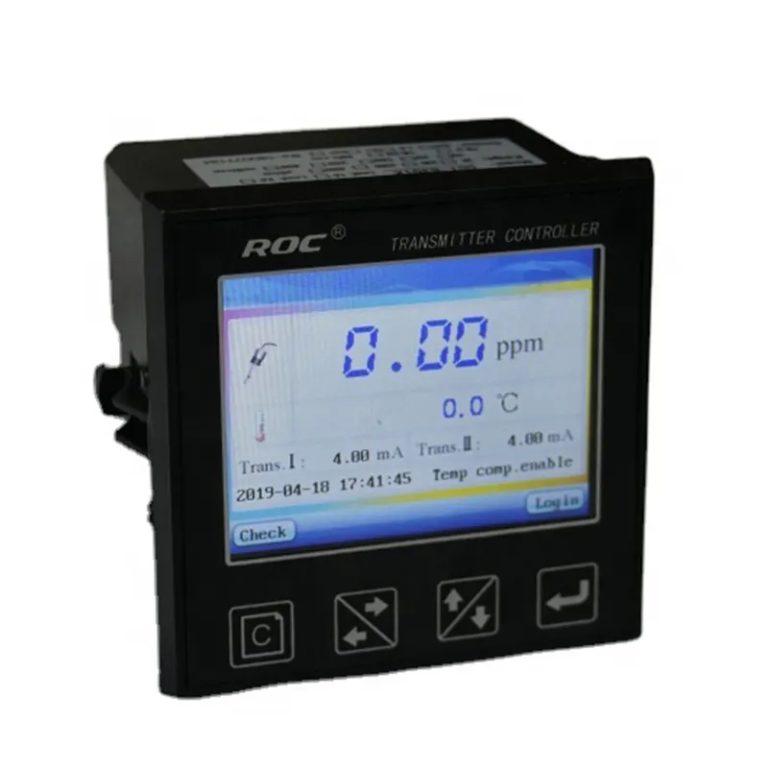
how does a conductivity meter work

how does a conductivity meter work

“Measure with precision, conductivity meter at work.” Principles of Conductivity Measurement Conductivity meters are widely used in various industries to measure the ability of a solution to conduct electricity. This measurement is crucial in determining the concentration of ions in a solution, which can provide valuable information about the solution’s composition and purity. Understanding how…

Implementing Continuous Monitoring Systems for Hemodialysis Water Quality Compliance

Implementing Continuous Monitoring Systems for Hemodialysis Water Quality Compliance Key Takeaways: – Hemodialysis water quality failures contribute to 12-18% of dialysis-related adverse events, making continuous monitoring essential for patient safety – AAMI/ISO 23500 standards require conductivity monitoring at ≤15 μS/cm for dialysate preparation, with continuous monitoring preferred over intermittent testing – Shanghai ChiMay conductivity meter…