It seems we can’t find what you’re looking for. Perhaps searching can help.

Other Related Posts

pH Measurement Solutions for Common Industrial Water Treatment Problems

pH Measurement Solutions for Common Industrial Water Treatment Problems Key Takeaways: – pH measurement accounts for 35% of all water quality monitoring parameters in industrial applications – Over 50% of pH sensor failures result from improper installation or application mismatches – Proper pH control reduces corrosion damage by 40% and improves treatment efficiency by 25%…
5 Ways pH Monitoring Transforms Seawater Desalination Efficiency

5 Ways pH Monitoring Transforms Seawater Desalination Efficiency Key Takeaways: – Maintaining optimal pH between 7.0-8.5 can reduce membrane scaling by up to 45% – Real-time pH monitoring prevents $50,000-100,000 in annual chemical costs – pH control directly impacts energy consumption—each 0.1 unit deviation increases energy use by 1-2% – Automated pH adjustment systems reduce…

Membrane Fouling Detection Using Real-Time Conductivity Monitoring

Membrane Fouling Detection Using Real-Time Conductivity Monitoring Key Takeaways Membrane fouling causes 35-50% of premature membrane replacements in ZLD applications Real-time conductivity monitoring enables fouling detection 48-72 hours before critical damage occurs Early intervention through conductivity profiling reduces cleaning costs by 40-60% Shanghai ChiMay conductivity sensors provide ±1% accuracy critical for fouling detection sensitivity Introduction…

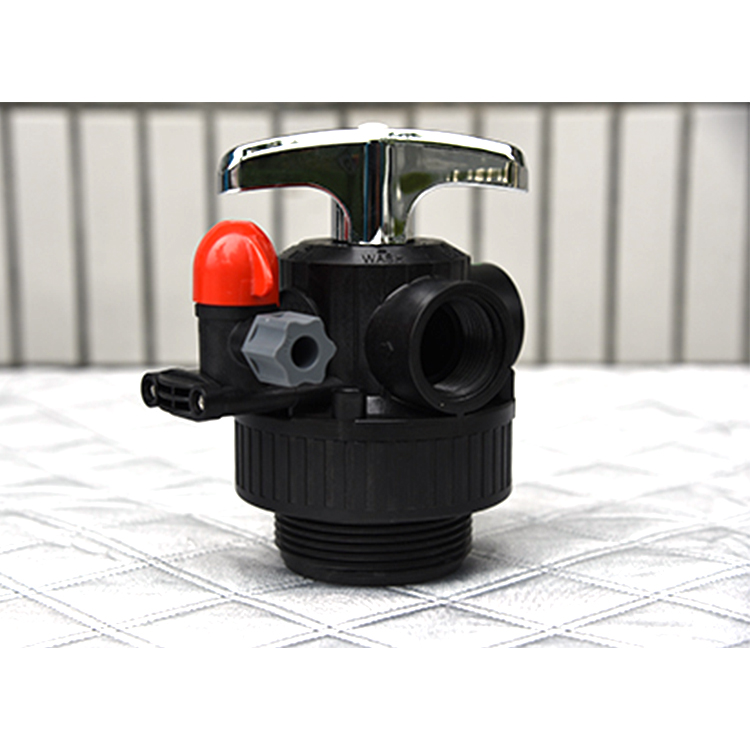
soft shift directional valve

soft shift directional valve

Understanding the Functionality of Soft Shift Directional Valves Soft shift directional valves are integral components in the realm of fluid power systems, particularly in hydraulic and pneumatic applications. These valves are designed to control the direction of fluid flow within a system, thereby influencing the movement of mechanical components. However, what sets soft shift directional…