It seems we can’t find what you’re looking for. Perhaps searching can help.

Other Related Posts

Ammonia Nitrogen Monitoring in Industrial Effluent: Techniques and Technologies

Key Takeaways Industrial ammonia nitrogen discharges range from 1 mg/L to 5,000 mg/L depending on process source Ion-selective electrode technology achieves measurement accuracy of ±5% of reading with 0.1 mg/L detection limit Online monitoring reduces laboratory costs by 60-75% compared to manual sampling Real-time data enables 35% faster process adjustments compared to daily grab sampling…
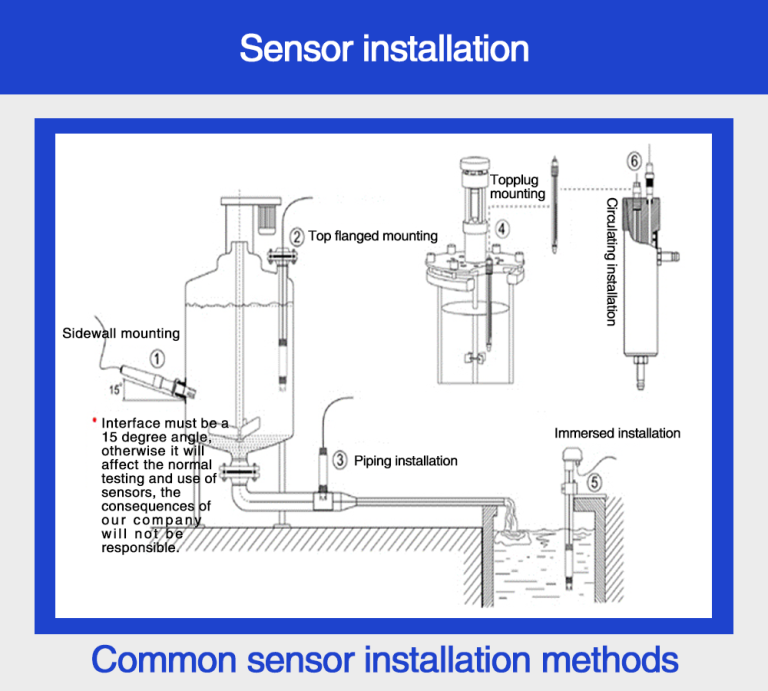
coolant flow sensor

coolant flow sensor

Importance of Coolant Flow Sensor in Engine Performance A coolant flow sensor is a crucial component in an engine’s cooling system that helps monitor the flow of coolant through the engine. This sensor plays a vital role in maintaining the engine’s optimal operating temperature and preventing overheating. Without a properly functioning coolant flow sensor, the…

Complete Guide to Industrial Wastewater Treatment: From Monitoring to Compliance

Complete Guide to Industrial Wastewater Treatment: From Monitoring to Compliance Key Takeaways Global industrial wastewater treatment market exceeds $45 billion annually, with 12% annual growth in electrochemical treatment technologies Facilities implementing continuous monitoring achieve compliance rates exceeding 95% compared to 70% for those using periodic sampling Treatment costs range from $0.50 to $5.00 per cubic…

Why Inline pH Sensors Fail in High-Temperature Industrial Water Systems

Key Takeaways Over 65% of inline pH sensor failures in industrial applications are caused by temperature-related reference junction degradation Operating above 60°C accelerates reference electrode poisoning by up to 400% compared to ambient-temperature deployments junction potential drift accounts for 0.01–0.03 pH units per day in uncompensated high-temperature sensors — enough to trigger false alarm events…