It seems we can’t find what you’re looking for. Perhaps searching can help.

Other Related Posts

Smart Flood Early Warning Systems with Real-Time Water Quality Monitoring

Smart Flood Early Warning Systems with Real-Time Water Quality Monitoring Key Takeaways Global flood damage costs exceed $40 billion annually, driving demand for integrated monitoring solutions Real-time turbidity sensors can detect flood onset 30-60 minutes earlier than traditional methods Multi-parameter water quality analyzers provide critical data for emergency response coordination Cities implementing smart sensor networks…
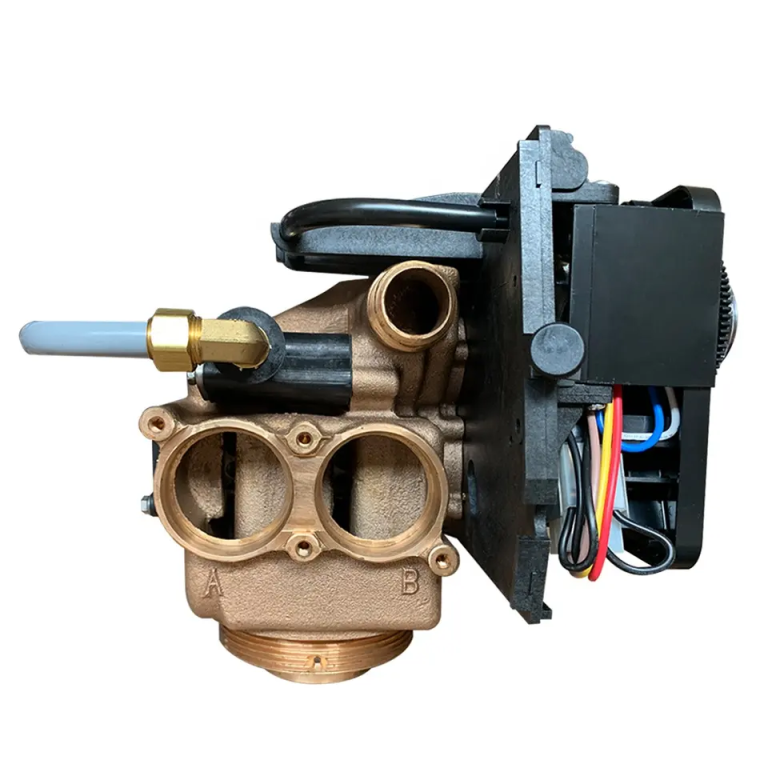
water softener control valves

water softener control valves

Understanding the Functionality of Water Softener Control Valves Water softener control valves are an integral part of any water softening system. They play a pivotal role in managing the flow of water through the system, ensuring that the water is adequately softened and that the system operates efficiently. Understanding the functionality of these control valves…

turbidity sensor reading

The Importance of Calibrating Turbidity Sensors for Accurate Readings Turbidity sensors are essential tools used in various industries to measure the clarity of liquids by detecting the amount of suspended particles present. These sensors play a crucial role in ensuring the quality of water in drinking water treatment plants, wastewater treatment facilities, and industrial processes….

Softening System Control Valves: Upflow vs Downflow Regeneration Comparison

Softening System Control Valves: Upflow vs Downflow Regeneration Comparison Key Takeaways Upflow regeneration achieves 15-25% better resin utilization than traditional downflow systems Fixed bed softener valves reduce operational complexity with mechanical timer control Service flow rates reach 40-60 m³/h for commercial softening applications Total Cost of Ownership (TCO) for upflow systems is 20% lower over…