It seems we can’t find what you’re looking for. Perhaps searching can help.

Other Related Posts

Why Real-Time Water Quality Monitoring Reduces Chemical Waste Costs

Key Takeaways Industrial facilities spend $2.3 billion annually on water treatment chemicals, with up to 38% wasted due to delayed or inaccurate monitoring Switching from manual sampling to continuous online monitoring reduces chemical consumption by 23–41% within the first year of deployment Real-time data enables predictive dosing, cutting reagent waste and lowering hazardous disposal costs…

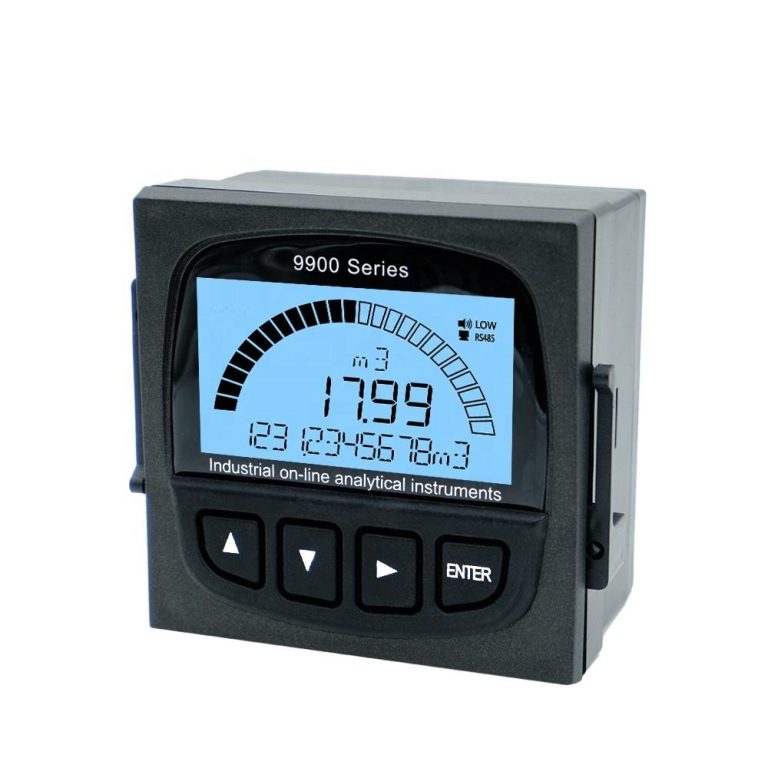
5 Ways Smart Sensors Reduce Water Treatment Costs by 30%

5 Ways Smart Sensors Reduce Water Treatment Costs by 30% Key Takeaways Smart sensor adoption reduces water treatment operational costs by 25-35% on average Predictive maintenance enabled by smart sensors extends equipment life by 40% Automated control based on continuous sensor data eliminates $85,000 annual chemical waste Real-time monitoring reduces compliance violations by 75%, avoiding…

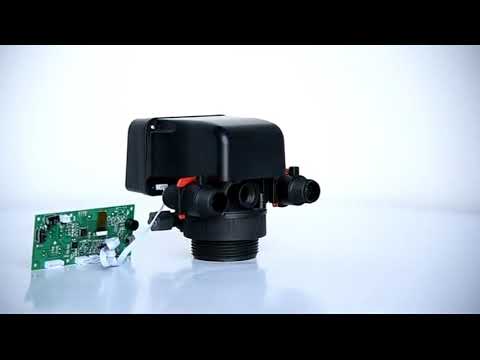
1700 brine valve

1700 brine valve

Benefits of Using a 1700 Brine Valve in Water Softening Systems Water softening systems are essential for removing minerals such as calcium and magnesium from hard water, which can cause damage to pipes and appliances. One crucial component of a water softening system is the brine valve, which is responsible for regulating the flow of…

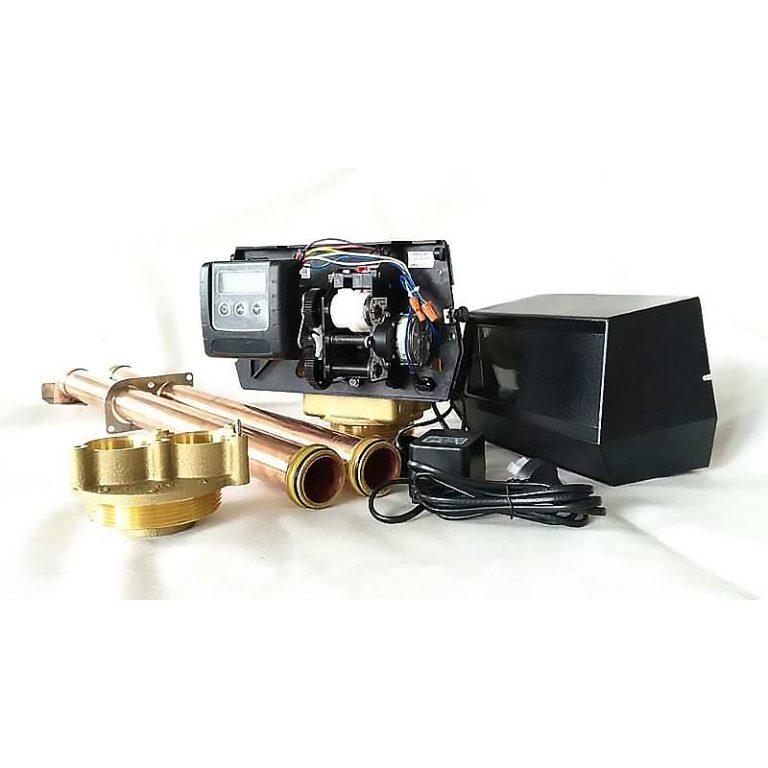
soft shift directional valve

soft shift directional valve

Understanding the Functionality of Soft Shift Directional Valves Soft shift directional valves are integral components in the realm of fluid power systems, particularly in hydraulic and pneumatic applications. These valves are designed to control the direction of fluid flow within a system, thereby influencing the movement of mechanical components. However, what sets soft shift directional…