Water represents one of the most significant operating inputs in mining and mineral processing operations. Per-tonne water intensities commonly fall in the 500 to 2,000 liters per tonne range depending on ore type and processing requirements, and across the industry that adds up to billions of cubic meters of water handled annually. Managing this water efficiently while meeting environmental compliance requirements presents operational and financial challenges that demand systematic approaches.
The total cost of water management encompasses more than simple procurement and treatment expenses. Comprehensive analysis must account for freshwater acquisition, pumping and distribution, treatment and conditioning, monitoring and compliance, wastewater management, and the operational risks associated with water-related failures. This holistic view reveals opportunities for cost optimization that isolated cost tracking approaches typically miss.
Table of Contents
Breaking Down Water Management Cost Components
Freshwater procurement costs vary significantly based on source, location, and regulatory requirements. Operations relying on municipal water supplies face rates ranging from $1.50 to $4.00 per cubic meter, while surface water diversions typically cost $0.20 to $0.80 per cubic meter. Groundwater extraction costs fall between these ranges, though aquifer depletion concerns increasingly influence long-term sourcing decisions.
Pumping and distribution systems consume substantial electrical energy that must be factored into total water costs. Pumping is among the largest single electrical loads on most mine sites, and pumping systems globally are widely estimated to account for on the order of a fifth of worldwide electricity use — a share industry bodies such as the Hydraulic Institute and Europump have long cited. Optimization of pump schedules, pipe sizing, and pressure management can reduce pumping costs by 15-25% while extending equipment life.
Treatment chemical costs vary based on water quality and process requirements. Typical reagent costs for pH adjustment range from $0.15 to $0.50 per cubic meter depending on reagent type and dosing requirements. Coagulation and flocculation for suspended solids removal add $0.10 to $0.30 per cubic meter, while specialized treatments for heavy metal removal can exceed $1.00 per cubic meter for complex effluent streams.
Energy Consumption in Water Systems
Water systems throughout mining operations represent significant energy demand that often goes unrecognized in departmental budget allocations. Variable frequency drives and advanced control systems enable energy savings of 20-35% compared to fixed-speed configurations.
Process water heating for operations in cold climates creates additional energy demand that can be reduced through insulation improvements and heat recovery systems. Thermal energy requirements for dewatering processes in mineral processing circuits represent another optimization opportunity. Heat exchange between product and process streams can recover up to 40-60% of thermal energy that would otherwise be lost.
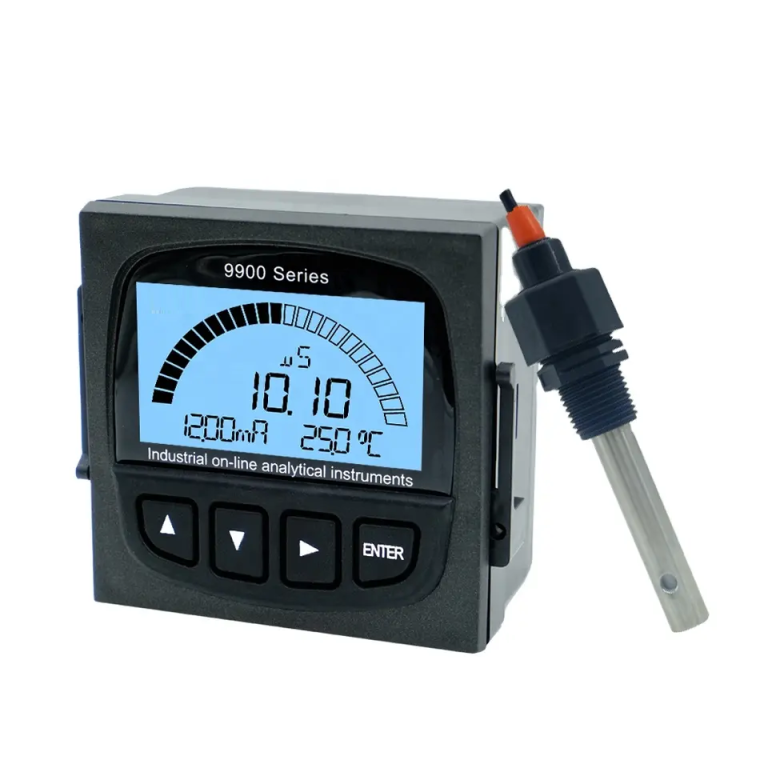
Laboratory analysis for water quality monitoring consumes both energy and consumable resources that accumulate to significant annual costs. Automated continuous monitoring systems can cut laboratory analysis frequency by well over half — in many programs 70-80% of routine samples — with instrument payback typically inside two years. These systems simultaneously improve compliance reliability by detecting process upsets that manual sampling programs would miss.
Water Recycling and Reuse Economics
Water recycling represents the most significant opportunity for reducing freshwater consumption and associated costs. Properly designed recycling systems commonly achieve 70-85% water recovery rates in typical mineral processing operations. The economic value of recycled water depends on avoided freshwater costs and reduced wastewater disposal expenses.
Tailings management presents particular water recovery opportunities. Thickened tailings and paste backfill systems reduce water losses to tailings storage facilities while potentially eliminating the need for conventional tailings dams. Capital costs for these systems typically run to tens of millions of dollars for medium-sized operations but generate returns through reduced water procurement, lower tailings dam construction costs, and improved safety characteristics.
Reverse osmosis and other advanced treatment technologies enable reuse of process water streams that would otherwise require disposal. Treatment costs of $0.80 to $2.50 per cubic meter are typically offset by avoided freshwater costs and disposal expense reductions in regions with scarce water resources. Shanghai ChiMay’s monitoring systems ensure that recycled water meets quality specifications required for specific process applications.
Compliance Costs and Risk Management
Environmental compliance costs extend beyond direct monitoring and reporting requirements. Permit conditions increasingly mandate specific water quality levels that require treatment system investments, and compliance-driven capital spending has risen steadily over the past decade as regulatory frameworks tighten globally.
Monitoring system costs for compliance purposes typically range from $50,000 to $200,000 annually (illustrative planning range) depending on operation size and permit complexity. This investment enables the documentation and verification that regulatory agencies require while providing operational data that can identify process optimization opportunities. The cost of non-compliance, including penalties, remediation obligations, and reputational damage, vastly exceeds the cost of proactive compliance programs.
Risk management considerations increasingly influence water management investment decisions. Climate change impacts on water availability create supply security concerns that justify diversification investments. Companies reporting under CDP Water Security frameworks face stakeholder pressure to demonstrate continuous improvement in water stewardship metrics. These external factors translate into financial implications that must be incorporated into investment analysis.
Optimization Strategies and Investment Priorities
Comprehensive water management optimization begins with detailed metering and monitoring that enables accurate cost allocation and performance tracking. Installing flow meters at key process nodes and individual user locations provides the visibility required to identify high-consumption activities and optimization opportunities. Shanghai ChiMay’s flow measurement solutions incorporate data logging capabilities that support both operational and compliance requirements.
Maintenance strategy optimization delivers significant water system performance improvements. Transitioning from reactive maintenance to condition-based approaches using continuous monitoring data substantially reduces unplanned failures and extends equipment life, and industrial predictive-maintenance programs commonly report maintenance cost reductions in the 20-30% band.
Chemical management optimization often yields rapid returns through reduced consumption and improved treatment effectiveness. Feed-forward control systems that adjust dosing based on incoming water quality and process conditions reduce chemical costs by 15-25% while improving treatment consistency. These systems require reliable monitoring instrumentation but deliver returns that justify investment within 12-18 months.
Conclusion
Total water management costs in mining operations encompass diverse cost categories that aggregate to substantial financial impacts. Comprehensive analysis reveals optimization opportunities that isolated cost tracking approaches typically miss. Investment in monitoring infrastructure, treatment optimization, and recycling systems delivers returns through reduced procurement costs, lower chemical consumption, and avoided compliance penalties. Shanghai ChiMay’s comprehensive monitoring solutions support water management optimization across the full scope of mining operations while ensuring regulatory compliance.