Combined or hybrid advanced oxidation processes (AOPs) pair multiple oxidation technologies so that the strengths of one process offset the weaknesses of another. For water streams carrying mixed contaminant classes—pharmaceuticals, pesticides, industrial organics, COD fractions—an integrated AOP train usually holds up better across diverse compound chemistries than any single process run alone.
Table of Contents
Rationale for AOP Combination
Single AOP technologies exhibit inherent limitations:
Ozone Alone: Effective for oxidizable compounds but limited by mass transfer kinetics and selective reactivity. Ozone-resistant compounds persist through ozonation.
UV/H₂O₂ Alone: Hydroxyl radicals provide non-selective oxidation, but UV absorption by water matrix components reduces photon efficiency. High UV transmittance is required for effective treatment.
Fenton Alone: Iron catalyst availability limits reaction rates; pH must remain acidic (pH 3-4) for optimal performance. Post-treatment pH adjustment is required.
Combined systems address these limitations through complementary oxidation mechanisms and matrix-effect mitigation.
Common AOP Combinations
Ozone-Hydrogen Peroxide (O₃/H₂O₂):
- H₂O₂ decomposes ozone to hydroxyl radicals, enhancing non-selective oxidation
- Removal per unit ozone dose is measurably higher than ozone alone; H₂O₂/O₃ mass ratios near 0.5 are the commonly cited starting point, and the practical optimum is established per water matrix
- Substantially lower ozone doses are typically needed to hit the same removal targets
- Watch for residual peroxide carryover and its effect on downstream biology and disinfection
UV-Ozone (UV/O₃):
- UV photolysis generates hydroxyl radicals from water and ozone decomposition
- Combined with direct ozone oxidation for broader compound coverage
- Measured synergies over either single process are consistently reported, but magnitude is matrix-specific and should be confirmed in bench/pilot work
UV-Hydrogen Peroxide (UV/H₂O₂):
- UV photolysis of H₂O₂ generates hydroxyl radicals
- No chemical addition to the water stream (clean system)
- Practical operation generally requires reasonably high UV transmittance; heavily UV-absorbing matrices drive energy costs up quickly
- High removal is achievable for non-UV-absorbing compounds, but UV-absorbing competitors cut photon efficiency sharply
Ozone-Biological Activated Carbon (O₃/BAC):
- Ozone oxidizes refractory compounds to biodegradable intermediates
- BAC provides biological polishing for oxidation byproducts
- Demonstrated at full scale in drinking water with meaningful DOC reduction—typically a substantial fraction, though not the near-total removal sometimes quoted, since BAC only degrades the biodegradable portion
- A mature process widely deployed across Europe and Japan
Performance Expectations for Combined Systems
Published AOP studies cover a wide range of waters and operating conditions, so the figures below should be read as indicative literature ranges rather than guaranteed performance. Actual results depend on matrix, dose, and contact time, and must be verified on-site.
| System Configuration | Pharmaceutical Removal | Industrial COD | Operating Cost Position |
|---|---|---|---|
| O₃/H₂O₂ | high-80s to high-90s (%) | 70-85% | lowest of the combined options |
| UV/H₂O₂ | high-80s to mid-90s (%) | 65-80% | moderate; driven by UV energy |
| O₃/BAC | mid-80s to low-90s (%) | 75-88% | lowest operating cost |
| UV/O₃/H₂O₂ | mid-90s and above (%) | 80-92% | high |
| O₃/H₂O₂/UV | mid-90s and above (%) | 82-90% | highest |
Specific operating costs (per m³) vary with energy prices, oxidant cost, water matrix, and target removal, and should be developed from local utility rates and pilot data—not lifted from generic published figures.
Synergistic Mechanisms
Combined AOP systems achieve enhanced performance through several mechanisms:
Matrix Effect Mitigation: UV-absorbing compounds in single UV/H₂O₂ systems can be pre-oxidized by ozone to more UV-transparent intermediates, improving subsequent UV photolysis efficiency.
Oxidant Dose Reduction: Combining multiple radical generation pathways reduces total oxidant requirements. The lower ozone dose typical of O₃/H₂O₂ operation translates directly into reduced operating cost.
Broad-Spectrum Coverage: Different compound classes respond preferentially to different oxidation mechanisms. Combined systems ensure effective treatment across diverse contaminant chemistries.
Byproduct Control: Sequential oxidation pathways can break down potentially harmful oxidation byproducts formed in primary treatment stages.
Design Considerations
Effective combined AOP system design requires:
Contaminant Characterization: Target compound classes determine the optimal combination. High-ozone-demand matrices favor UV-based combinations; UV-opaque waters favor ozone-based systems.
Water Quality Parameters:
- pH: Affects radical formation and compound speciation; optimal range varies by system
- Alkalinity: Scavenges hydroxyl radicals; high alkalinity (>200 mg/L as CaCO₃) reduces efficiency
- UV transmittance: Critical for UV-based systems; pretreatment may be required
- Temperature: Affects reaction kinetics; 15-30°C is a comfortable operating window for most AOP applications
Contact Time Requirements: Each process stage requires appropriate contact time:
- Ozone contact: 10-20 minutes depending on target compounds
- UV exposure: 30-120 seconds depending on UV dose and water transmittance
- Peroxide-based steps: minutes-scale residence to allow radical formation and reaction before quench
Process Control Requirements
Combined AOP systems benefit from advanced monitoring:
Online UV Spectrophotometers: Monitor UV absorbance at 254 nm for radical exposure estimation and fouling assessment.
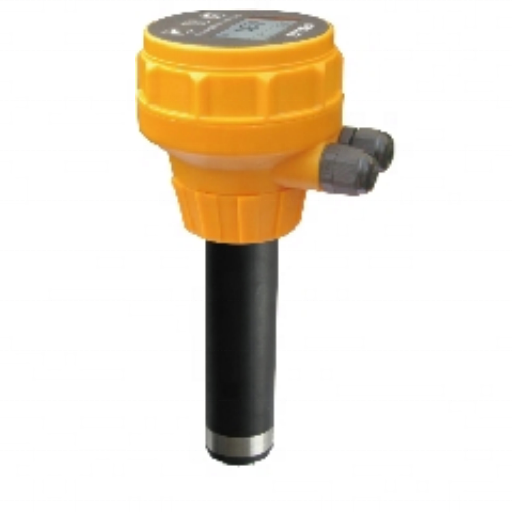
Ozone Residual Analyzers: Real-time dissolved ozone measurement enables automated dosing control.
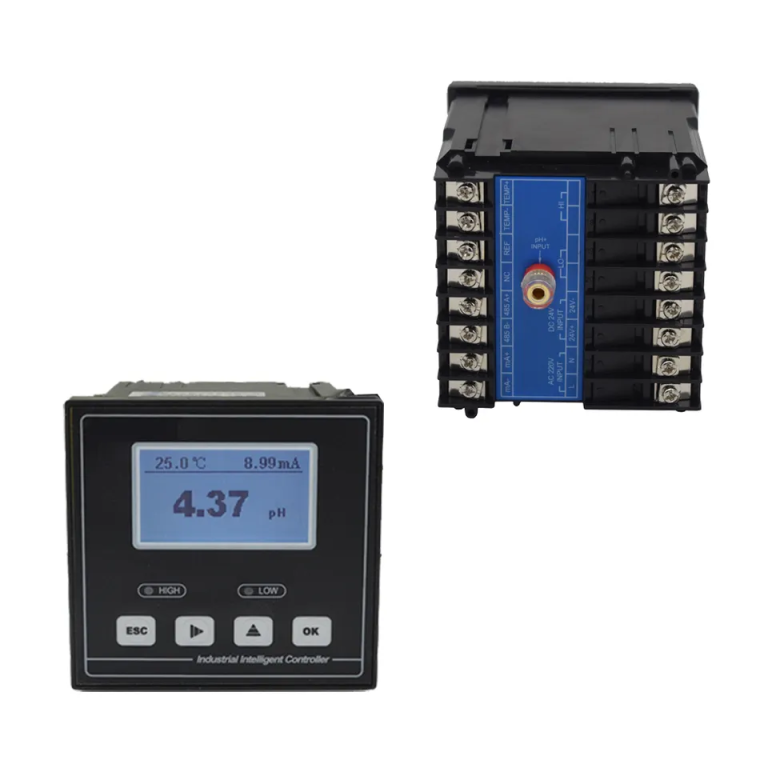
Hydrogen Peroxide Sensors: Electrochemical sensors track H₂O₂ concentrations for dose optimization and residual quenching.
TOC Analyzers: Continuous TOC monitoring indicates treatment performance and breakthrough events.
Combined advanced oxidation processes give treatment engineers a flexible toolkit for challenging water matrices containing mixed micropollutant classes. Through strategic process combination—bench-tested, then piloted against the actual water—facilities can push treatment performance up while holding operating costs within practical limits.