Table of Contents
Key Takeaways
- Peroxyacetic acid achieves high single-pass degradation rates for many pharmaceutical compounds at trace concentrations
- PAA generates reactive oxygen species including hydroxyl radicals (HO•) with an oxidation potential of 2.8 V
- Environmentally benign by-products make PAA a credible alternative to chlorine-based oxidants for water reuse applications
- UV, heat, and transition metal activation all measurably enhance PAA efficiency
The pharmaceutical industry generates wastewater containing active pharmaceutical ingredients (APIs) and personal care products that conventional biological treatment fails to eliminate effectively. These micropollutants persist at concentrations from ng/L to µg/L even after conventional treatment, which is exactly what makes them an environmental and permitting headache.
Peroxyacetic acid (PAA) has emerged as a promising advanced oxidation process (AOP) for pharmaceutical micropollutant degradation. Unlike traditional oxidants, PAA decomposes into acetic acid and hydrogen peroxide — compounds that don’t form harmful disinfection by-products. Under activation, the peroxy bond cleaves homolytically and the system generates hydroxyl radicals, enabling non-selective oxidation of organic compounds.
Understanding PAA Oxidation Mechanisms
PAA operates through multiple reaction pathways depending on how you activate it:
Thermal Activation: holding PAA solutions at 40–60°C accelerates peroxy bond dissociation and pushes hydroxyl radical generation up noticeably versus ambient conditions. Thermal activation suits heat-tolerant industrial effluents, where you already have the temperature anyway.
UV Activation: irradiation between 200–280 nm photolyzes PAA molecules, producing both hydroxyl radicals and acetylperoxy radicals. UV/PAA systems degrade refractory compounds faster than PAA alone in lab studies — the gain is real but matrix-dependent.
Transition Metal Catalysis: iron, manganese, and copper catalysts accelerate PAA decomposition through Fenton-like reactions. Cobalt-doped catalysts show particularly high activity, with lab studies reporting ibuprofen and naproxen driven down within minutes at room conditions.
Comparative Performance
Where does PAA sit against the alternatives?
| Technology | Removal Character | Relative Operating Cost | By-product Risk |
|---|---|---|---|
| PAA Advanced Oxidation | High for most APIs | Low-to-moderate | Low |
| Ozone/AOP | High | Moderate-to-high | Moderate |
| Activated Carbon | Variable by compound | Low | Secondary waste |
| Membrane Filtration | Very high | High | Concentrate disposal |
The trade-offs matter more than the headline removal numbers. PAA runs cheap and clean but needs contact time and good dosing control; membranes remove nearly everything but hand you a concentrate stream you still have to deal with; carbon is cheap until you price regeneration. Pilot data from your own effluent beats any published comparison.
Industrial Applications and Integration
Pharmaceutical manufacturers are retrofitting PAA systems into existing treatment trains. The technology’s modular footprint fits facilities with limited space, and it pairs naturally with automated dosing systems that respond to influent variability.
Case work at European pharmaceutical facilities indicates PAA pretreatment ahead of biological treatment lifts overall organic removal and steadies permit compliance — the biological stage sees a cleaner, more consistent feed and the BOD load spikes flatten out.
Selection Criteria for PAA Implementation
Facilities considering PAA should evaluate:
Water Matrix Compatibility: high organic content scavenges hydroxyl radicals and wastes your dose. Keep influent COD below 500 mg/L for workable economics.
Temperature Stability: PAA decomposition rates climb sharply above 40°C. High-temperature waste streams need cooling ahead of the PAA stage, or you’ll be dosing into a decomposing reagent.
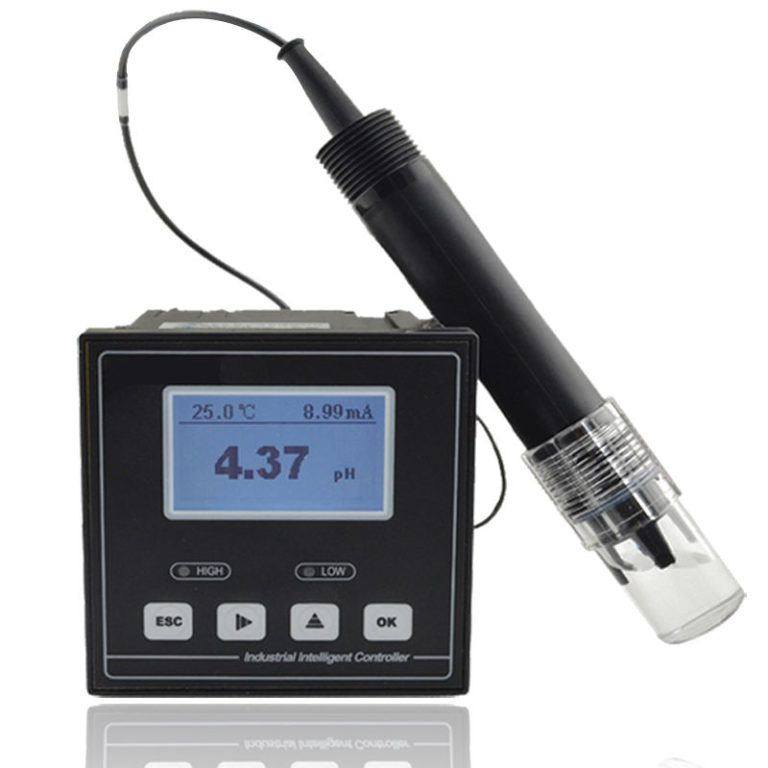
Monitoring Requirements: real-time sensors for residual oxidant concentration and TOC reduction make dosing control possible in practice. Typical PAA doses run 5–20 mg/L depending on target compounds — residual oxidant readings are how you keep that band honest instead of overshooting.
Future Development Directions
Current research is aimed at catalyst development for ambient-condition activation — nanostructured iron oxides and biochar-supported catalysts that cut energy inputs without giving up degradation efficiency. Hybrid systems combining PAA with membrane separation are also being pursued for near-complete pharmaceutical removal in water reuse applications.
For facilities facing tighter pharmaceutical discharge limits, PAA advanced oxidation is a technically sound and economically defensible option. Its environmental profile and dosing flexibility make it a reasonable component of next-generation wastewater treatment strategies — provided you instrument the process properly.
Article #826 | ChiMay Online Water Quality Analyzer | ChiMay Residual Chlorine Transmitter for process monitoring