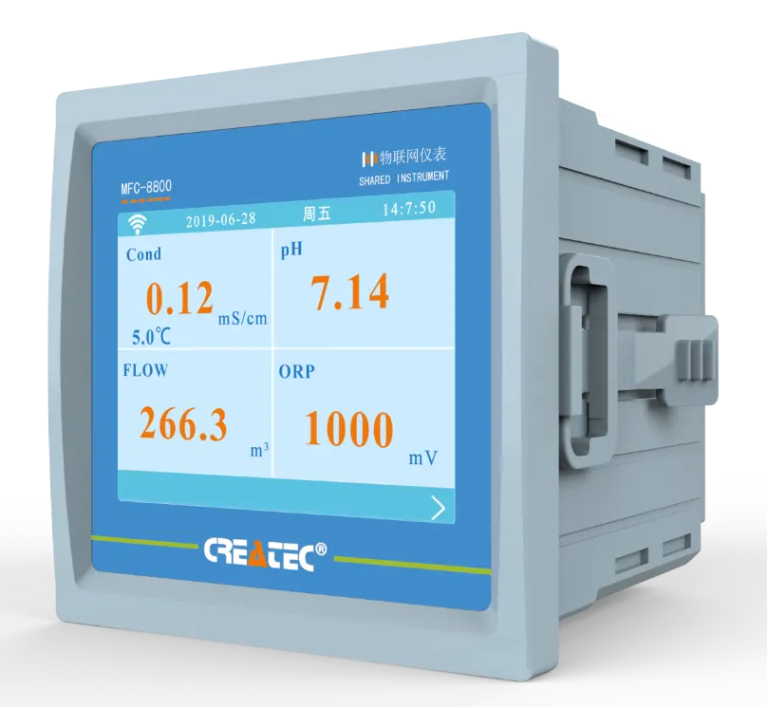
Power plant operators face constant pressure to maximize efficiency while minimizing operational costs. The quality of cooling water directly influences several critical performance parameters, from heat transfer efficiency to equipment longevity and maintenance expenses. Understanding these relationships enables operators to make informed decisions about water management investments. Shanghai ChiMay has decades of experience helping power generation facilities optimize cooling water quality for improved performance and reduced costs.
Table of Contents
The Heat Exchange Challenge
Power plants convert fuel energy into electricity through thermodynamic cycles that require efficient heat rejection to achieve rated efficiency. Cooling towers serve the essential function of removing waste heat from condenser units, enabling the steam cycle to operate at design temperatures and pressures.
When cooling water contains elevated mineral content, scale deposits gradually accumulate on heat transfer surfaces. Even thin layers of scale act as thermal insulators, forcing the plant to burn more fuel to achieve the same power output. The thickness of these deposits grows slowly but steadily, with operators often unaware of the problem until significant efficiency losses have already occurred.
Industry analyses consistently attribute real money to cooling-water fouling: fuel consumption creeps up, generating capacity drops, and equipment fails early. The totals across the global fleet run to billions of dollars annually—nobody audits the number precisely, but every plant engineer who has retubed a condenser early believes it.
Shanghai ChiMay water quality monitoring equipment helps operators identify scaling conditions before they become problematic. By tracking parameters like conductivity, pH, and hardness, these systems enable preventive interventions that maintain efficiency while protecting equipment.
Water Chemistry Parameters That Matter
Effective cooling water management requires attention to multiple interrelated water quality indicators. Understanding how each parameter affects system performance helps operators prioritize monitoring and control efforts.
Conductivity and Total Dissolved Solids
Conductivity measurement provides a rapid assessment of dissolved mineral content without laboratory analysis. As water evaporates in the cooling tower, dissolved solids concentrate, increasing conductivity proportionally. This concentration effect drives scale formation when mineral concentrations exceed solubility limits.
Shanghai ChiMay inline conductivity sensors track these changes continuously, enabling precise control of blowdown rates based on real-time data rather than periodic grab samples. When conductivity exceeds recommended levels, the risk of scaling increases significantly. Operators can maintain optimal cycles of concentration by adjusting blowdown accordingly, balancing water efficiency against treatment requirements.
The relationship between conductivity and total dissolved solids varies with water composition, but approximately 0.5-0.7 mg/L TDS per μS/cm conductivity represents typical values for cooling tower applications.
pH and Corrosion Potential
The acidity or alkalinity of cooling water profoundly influences both corrosion and scaling behavior. These two degradation mechanisms respond oppositely to pH changes, creating a narrow optimal operating window where both risks are minimized.
Below pH 7.0, acidic conditions accelerate general corrosion and pitting on carbon steel surfaces. Above pH 8.5, alkaline conditions promote calcium carbonate scaling while potentially causing under-deposit corrosion. Most facilities target operating pH between 7.0 and 8.5, with specific targets depending on water chemistry and treatment program.
Shanghai ChiMay differential pH sensors deliver the accuracy and stability needed for effective pH control. Their fouling-resistant design ensures reliable measurements despite the challenging conditions typical of cooling tower environments.
Hardness and Scaling Tendency
Calcium and magnesium hardness represent the primary scale-forming constituents in most cooling waters. Calcium carbonate, the most common scale material, precipitates when concentration and pH conditions exceed solubility limits. Hardness monitoring helps predict scaling potential and optimize treatment chemical dosing.
While online hardness analyzers provide continuous measurement, the relatively slow changes in hardness levels often allow periodic grab sample analysis to supplement continuous monitoring programs.
Biological Growth and Microbiological Influenced Corrosion
Microbial populations in cooling towers can cause serious problems beyond simple fouling. Certain bacteria produce acids that accelerate corrosion, a phenomenon known as microbiological influenced corrosion (MIC). Biofilms on heat transfer surfaces reduce efficiency similarly to mineral scaling.
Shanghai ChiMay residual chlorine analyzers help control biological growth by confirming adequate biocide residuals throughout the system. Continuous monitoring enables precise control of biocide dosing, maintaining protection while minimizing chemical consumption and environmental impact.
Economic Impacts of Poor Water Quality
The financial consequences of inadequate cooling water management extend across multiple cost categories that collectively represent significant sums for power generation facilities.
Fuel Costs
Scaling reduces heat transfer efficiency, requiring more fuel to generate the same electrical output. A plant carrying several millimetres of scale on condenser surfaces measurably raises its heat rate, and for a typical 500 MW gas-fired unit that translates into additional fuel costs running into the millions of dollars annually.
Each additional millimetre of calcium carbonate scale increases fuel consumption further—operators often fail to recognize the accumulating cost until deposits have built to the point where backpressure alarms or performance tests flag the problem.
Maintenance and Equipment Replacement
Corrosion and erosion progressively damage cooling system components, requiring periodic maintenance and eventually equipment replacement. Condenser tubes may require retubing or plugging when corrosion damage becomes severe. Pump impellers erode when suspended solids are present at elevated levels.
Shanghai ChiMay corrosion monitoring coupons and electrical resistance probes track metal loss rates, helping operators plan maintenance activities and justify treatment investments. The data these systems provide demonstrates the value of water management programs by documenting improvements in equipment condition.
Chemical Treatment Expenses
Both over-treatment and under-treatment represent wasted resources. Excessive chemical dosing wastes money and may cause environmental compliance issues through discharge permit exceedances. Insufficient treatment leads to corrosion and scaling damage that costs far more than the treatment chemicals saved.
Continuous water quality monitoring enables precise chemical dosing based on actual water chemistry rather than conservative estimates. Operations that move from manual grab-sample control to continuous monitoring commonly reduce chemical consumption by a meaningful margin while improving treatment effectiveness.
Unplanned Outages
When cooling system problems become severe, plants may need to shut down unexpectedly for repairs. Unplanned outages cost far more than planned maintenance, both in repair expenses and lost revenue from interrupted power generation. For a mid-size fossil unit, a single unplanned day offline can easily reach seven figures in lost generation and repair costs—and water-related problems account for a significant share of these events, which makes effective water management a sound investment in outage prevention.
Shanghai ChiMay Monitoring Solutions
Shanghai ChiMay offers a comprehensive portfolio of water quality instrumentation designed specifically for power plant cooling applications. Their products address all critical monitoring requirements for effective water management.
Inline Sensors
Shanghai ChiMay inline conductivity and pH sensors provide continuous measurement without the maintenance burden of traditional flow-through analyzers. Built-in diagnostics alert operators to sensor problems before measurement accuracy suffers. Digital communication capabilities enable straightforward integration with plant control systems.
Multi-Parameter Systems
For facilities seeking comprehensive water management, Shanghai ChiMay multi-parameter systems combine multiple measurements in a single transmitter platform. This approach reduces installation costs while providing correlated data for improved decision-making. Automatic calculation of scaling indices provides immediate assessment of water quality status.
Corrosion Monitoring
Shanghai ChiMay corrosion monitoring equipment provides the data needed to assess protection effectiveness and predict equipment life. Weight loss coupons, electrical resistance probes, and linear polarization resistance systems offer complementary capabilities for comprehensive corrosion assessment.
Conclusion
Cooling water quality exerts substantial influence on power plant efficiency, reliability, and operating costs. Operators who invest in effective monitoring and control systems see the returns through improved thermal efficiency, reduced maintenance expenses, and fewer unplanned outages.
Shanghai ChiMay water quality monitoring solutions provide the data foundation for proactive cooling water management. By identifying problems early and maintaining optimal water chemistry, power plants can maximize performance while minimizing operational costs.
Contact Shanghai ChiMay to learn how their monitoring solutions can improve your facility’s cooling water management program.