Understanding the Role of Control Valves in Flow Meter Operations
Flow meter control valves play a pivotal role in the operations of flow meters, which are devices used to measure the quantity of gas or liquid moving through a pipe. These valves are integral to the regulation of fluid flow, ensuring that the flow rate is maintained at the desired level. Understanding the role of control valves in flow meter operations is crucial for anyone involved in industries such as oil and gas, water treatment, and chemical processing.
Control valves are essentially the “traffic cops” of the fluid flow world. They regulate the flow of fluid through the system, ensuring that it moves at the correct speed and in the right direction. This is achieved by adjusting the size of the valve opening, which can be increased to allow more fluid to pass through or decreased to restrict the flow. The control valve, therefore, plays a critical role in maintaining the balance and efficiency of the entire system.
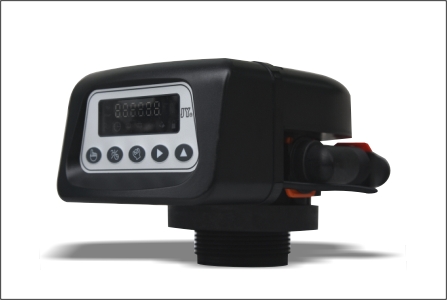
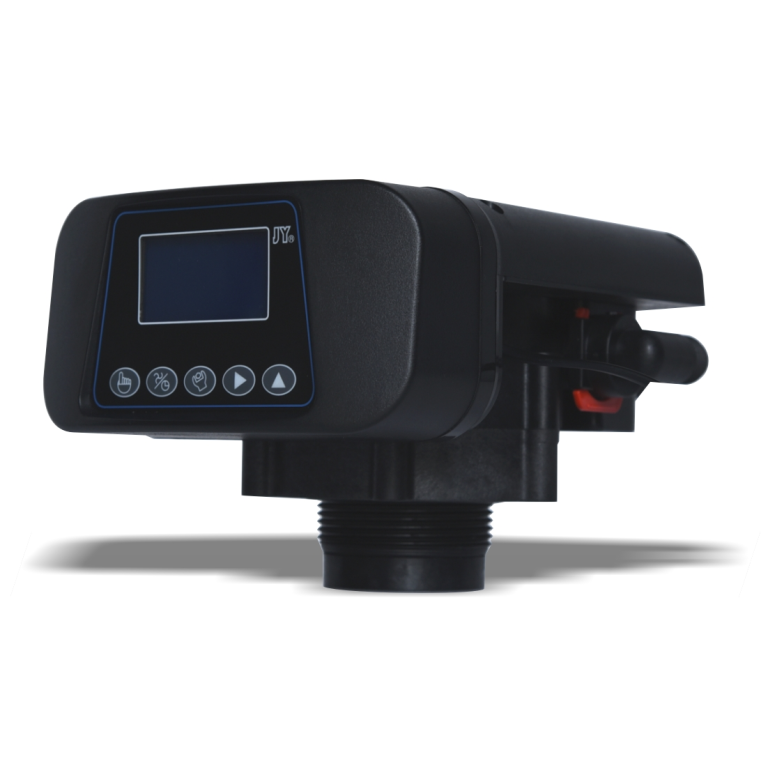
| Model | Category | Water Capacity m3/h | LCD | LED | ICON | DIODE |
| AF2 | Automatic Filter Valve | 2 | O | O | O | O |
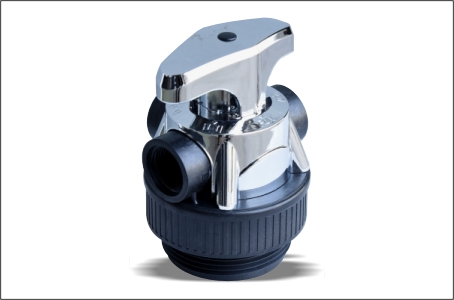
The operation of a control valve is typically automated, with a controller adjusting the valve position based on signals from the flow meter. The flow meter measures the rate of fluid flow and sends this information to the controller. If the flow rate is too high or too low, the controller adjusts the control valve to increase or decrease the flow. This feedback loop ensures that the system operates at optimal efficiency, with the flow rate maintained at the desired level.
| Model | Central tube | Drain | Brine tank connector | Base | Maximum power | Operating temperature |
| 2700 | 1.05″ O.D. | 3/4″NPTF | 3/8″ & 1/2″ | 2-1/2″-8NPSM | 74W | 1℃-43℃ |
The precision of control valves is crucial in flow meter operations. A slight deviation in the valve position can significantly affect the flow rate, leading to inefficiencies in the system. For this reason, control valves are often designed with high precision and accuracy, ensuring that they can maintain the flow rate within a narrow range. This precision is particularly important in industries where the flow rate needs to be tightly controlled, such as in chemical processing or pharmaceutical manufacturing.
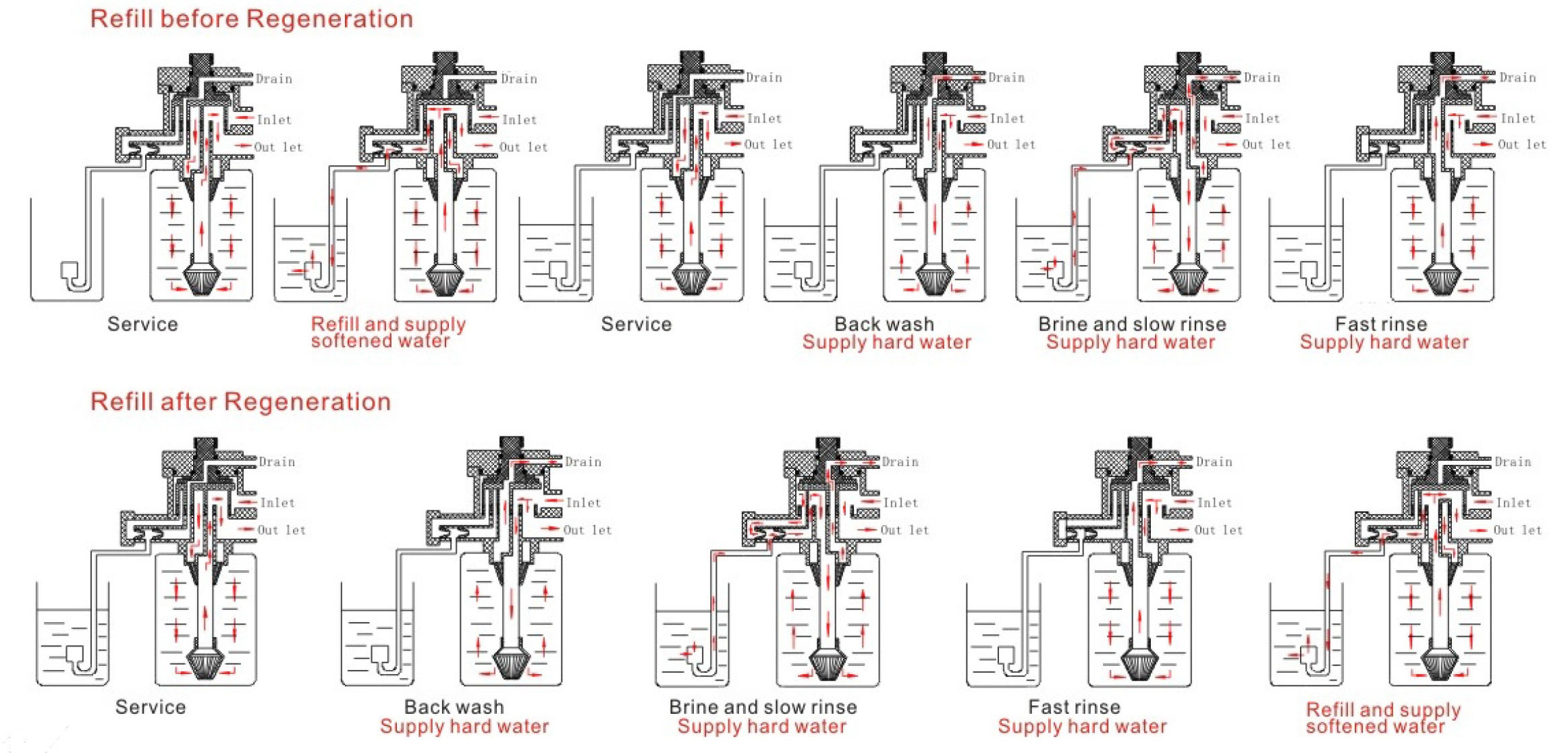
In addition to regulating the flow rate, control valves also play a role in protecting the system from damage. If the flow rate becomes too high, it can lead to excessive pressure in the system, potentially causing damage to the pipes or other components. By adjusting the valve position to reduce the flow, the control valve can help to prevent this damage, ensuring the longevity of the system.
Moreover, control valves can also be used to isolate parts of the system for maintenance or repair. By closing the valve, the flow of fluid can be stopped, allowing for safe and efficient maintenance work. This feature is particularly useful in large systems, where shutting down the entire system for maintenance would be impractical and costly.
In conclusion, control valves play a vital role in flow meter operations, regulating the flow rate, protecting the system from damage, and allowing for efficient maintenance. Their precision and reliability are crucial to the efficiency and longevity of the system, making them an essential component in industries that rely on fluid flow. Understanding the role of control valves in flow meter operations can help to ensure that these systems are designed, operated, and maintained effectively.