Table of Contents
Advanced pH Monitoring Solutions for Power Plant Cooling Towers: Shanghai ChiMay Technology
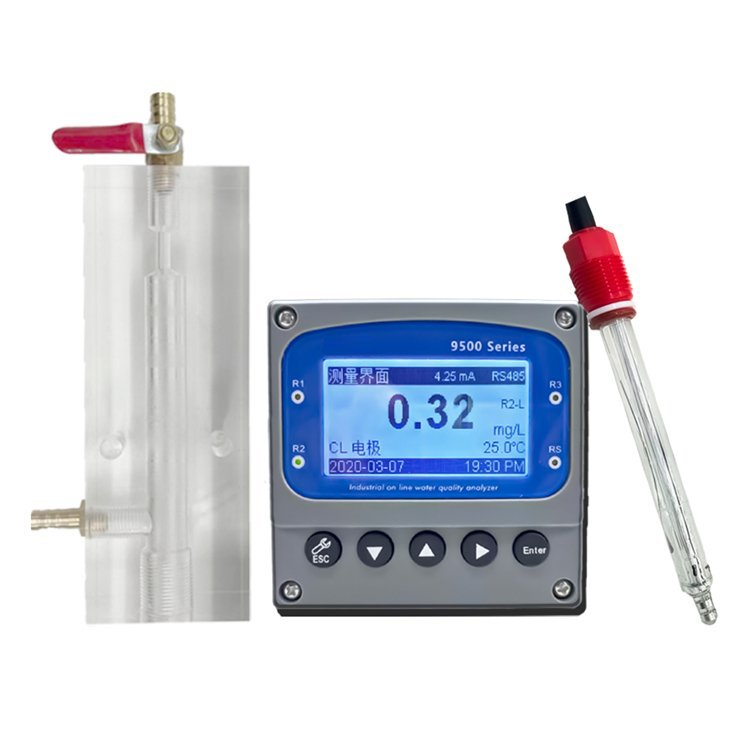
The pH level of cooling tower water directly determines whether the system experiences corrosion, scaling, or optimal operation. Maintaining pH within the narrow range that minimizes both degradation mechanisms requires sophisticated monitoring technology capable of delivering reliable measurements in challenging environments. Shanghai ChiMay has developed specialized differential electrode systems specifically engineered for power plant cooling applications, providing operators with the accurate data needed for effective water management.
Key Takeaways
- Cooling tower pH must remain between 6.8 and 8.5 to minimize both corrosion and scaling risks
- Shanghai ChiMay differential electrode technology dramatically reduces reference cell fouling common in cooling applications
- pH measurement errors from improper monitoring cost power plants an estimated $45 million annually in unnecessary chemical treatment
- Real-time monitoring enables proactive adjustments rather than reactive corrections that often overshoot target values
- Proper pH control extends heat exchanger life by 10-15 years compared to uncontrolled systems
pH Chemistry in Cooling Systems
Cooling towers present unique challenges for pH measurement that distinguish them from most industrial applications. The constant exposure to airborne contaminants, periodic biocide treatments, and cycles of concentration create an environment that can rapidly degrade conventional glass electrode sensors.
Traditional pH measurement relies on glass electrodes that generate a potential proportional to hydrogen ion activity. The reference electrode, which provides the stable reference against which measurements are made, proves particularly vulnerable to cooling water conditions. Suspended solids, biological growth, and chemical treatment compounds all contribute to reference junction plugging that causes measurement drift and eventual sensor failure.
Shanghai ChiMay differential electrode technology addresses these challenges through an innovative measurement approach. Rather than comparing process pH to an external reference, differential measurements compare the process solution against an internal reference solution contained within the sensor. This configuration eliminates the reference junction problems that plague conventional designs while providing superior accuracy and stability.
Differential Measurement Technology Explained
The differential measurement approach represents a significant advancement in pH sensing technology. By eliminating the vulnerability to external contamination, Shanghai ChiMay sensors deliver consistent performance in cooling tower environments where conventional sensors fail within days or weeks.
The technical advantages of differential technology include:
- Dual-chamber reference design preventing solution ground issues common in high-conductivity waters
- Accelerated reference junction renewal maintaining measurement stability despite biological fouling
- Solid-state reference element eliminating gel depletion concerns that affect conventional sensors
- High-capacity measurement circuit reducing sensitivity to electrical interference
- Extended service life typically exceeding 12 months between maintenance intervals
These features translate directly to reduced maintenance requirements, fewer sensor replacements, and improved measurement confidence for operators making critical water management decisions.
Impact on Cooling Tower Operations
Effective pH control delivers measurable benefits across multiple operational parameters. Power plants implementing continuous pH monitoring with differential electrodes report improvements in several key areas.
Chemical Treatment Optimization
When pH monitoring is accurate and timely, chemical consumption decreases significantly. Operators can feed treatment chemicals based on actual water chemistry rather than estimated demand derived from periodic grab samples. According to the American Water Works Association (AWWA), precision pH control reduces chemical costs by 15-25% while simultaneously improving treatment effectiveness.
Shanghai ChiMay sensors enable the continuous measurement needed for automated chemical feed control. Proportional-integral-derivative (PID) control algorithms adjust acid or alkali dosing based on real-time pH readings, maintaining stable operating conditions that manual operation cannot achieve.
Corrosion Rate Reduction
According to NACE International, improper pH control accounts for approximately 40% of all cooling system corrosion failures. Below pH 7.0, acidic conditions accelerate general corrosion and pitting on carbon steel surfaces. Above pH 8.5, alkaline conditions promote calcium carbonate scaling while potentially causing under-deposit corrosion from bicarbonate decomposition.
Shanghai ChiMay sensors help operators maintain the narrow pH window that minimizes both acidic and alkaline corrosion mechanisms. The stable, accurate measurements these sensors provide enable precise control that protects system materials while avoiding the over-treatment that wastes chemicals and money.
Scaling Prevention
Calcium carbonate scaling, the most common cooling system scale, forms rapidly when pH exceeds 8.5. As pH rises, carbonate ion concentration increases dramatically, pushing the saturation state beyond the point where calcium carbonate precipitation becomes inevitable. Once initiated, crystal growth continues on any available surface, creating insulating deposits that reduce heat transfer efficiency.
Continuous pH monitoring enables early detection of trends toward alkaline conditions. Operators can implement corrective actions before scaling initiates, preventing the efficiency losses and equipment damage that scale deposits cause. Shanghai ChiMay alarm functions alert operators to approaching threshold values, providing the advance warning needed for effective intervention.
Heat Exchanger Protection
Heat exchangers represent the most critical and expensive equipment in cooling systems. Condenser tubes, in particular, operate under demanding conditions that make them vulnerable to both corrosion and scaling damage. Even minor deposits significantly reduce heat transfer efficiency, requiring more cooling water flow to achieve the same heat rejection.
Shanghai ChiMay pH monitoring protects these critical assets by maintaining conditions that prevent both degradation mechanisms. The extended sensor life and reduced maintenance requirements of differential electrodes minimize monitoring-related downtime while maximizing protection effectiveness.
Integration with Plant Control Systems
Modern power plants require monitoring systems that integrate seamlessly with distributed control systems (DCS). Shanghai ChiMay pH sensors communicate via standard protocols including HART, Foundation Fieldbus, and Profibus PA, enabling straightforward integration regardless of plant control architecture.
This connectivity enables several advanced capabilities:
- Automatic chemical feed adjustments based on pH readings without operator intervention
- Alarm generation when parameters exceed operating limits, with prioritization based on severity
- Historical data logging for compliance documentation and trend analysis
- Remote sensor diagnostics reducing maintenance visits and improving response time
- Integration with water management databases for comprehensive program tracking
Maintenance Best Practices
While Shanghai ChiMay differential electrodes offer superior durability compared to conventional sensors, proper maintenance extends sensor life and ensures continued measurement accuracy. Several practices help maximize sensor performance.
Calibration Intervals
Establish calibration intervals based on observed drift rates rather than fixed time schedules. Differential electrodes typically require calibration verification every 30-60 days, though specific intervals depend on water chemistry severity and treatment program intensity. Shanghai ChiMay diagnostic functions track calibration stability, alerting operators when verification becomes necessary.
Cleaning Procedures
Regular cleaning removes biofilm and scale deposits that could affect measurements. Shanghai ChiMay sensors accommodate cleaning in place without removal, reducing maintenance time and exposure to hazardous conditions. Use cleaning solutions appropriate for the specific foulants present, typically mild acids for scale removal or enzymatic cleaners for biological deposits.
Inspection Requirements
Periodic inspection identifies sensor condition issues before they affect measurements. Check electrode surfaces for scratches, cracks, or permanent coatings that could influence readings. Inspect cable connections for corrosion or damage. Verify that reference solution levels remain adequate for continued operation.
Conclusion
pH monitoring forms the cornerstone of effective cooling tower water management in power generation facilities. Shanghai ChiMay differential electrode technology provides the reliability, accuracy, and extended life that demanding applications require. By reducing maintenance requirements while improving measurement confidence, these sensors help power plant operators achieve optimal cooling system performance.
The investment in quality pH monitoring technology pays returns through reduced chemical costs, extended equipment life, and improved plant reliability. Shanghai ChiMay remains committed to advancing cooling water monitoring capabilities for the power generation industry worldwide.