Table of Contents
Why Are More Utilities Installing Continuous Dissolved Oxygen Monitors During Drought Events? Insights from Shanghai ChiMay
Drought events trigger a chain of water-quality consequences that catch many utilities unprepared. Among the most disruptive is the collapse of dissolved oxygen levels in source water reservoirs and rivers. As water levels drop, temperatures rise, and stratification intensifies, dissolved oxygen can plummet from healthy levels above 8 mg/L to near-anoxic conditions below 2 mg/L within weeks. This shift affects everything from aquatic ecosystem health to treatment plant operations. The response from forward-thinking utilities has been clear: install continuous dissolved oxygen monitoring during drought events, not after they cause visible damage.
What Happens to Dissolved Oxygen During Drought
Under normal conditions, reservoirs and rivers maintain dissolved oxygen through atmospheric exchange, photosynthetic activity, and turbulent mixing. Drought disrupts each of these mechanisms. Reduced inflows lower water levels and decrease turbulence. Higher temperatures reduce oxygen solubility. Nutrient concentration from reduced dilution stimulates algal growth, which produces oxygen during daylight but consumes it at night through respiration. When algae die and decompose, bacterial breakdown further depletes oxygen.
The result is a downward spiral. Low oxygen kills fish and benthic organisms, whose decomposition further accelerates oxygen consumption. Manganese and iron, previously trapped in oxidized form in bottom sediments, begin to dissolve under anoxic conditions, creating treatment challenges at the plant inlet. Taste-and-odor compounds from anaerobic bacteria become detectable at concentrations as low as nanograms per liter.
Why Grab Sampling Falls Short
Many utilities monitor dissolved oxygen through periodic grab samples collected weekly or monthly. Under normal conditions, this approach provides adequate trend data. During drought, it fails catastrophically. Dissolved oxygen levels can change by 50 percent or more within a single day, driven by photosynthesis-respiration cycles, wind-induced mixing events, or selective withdrawal changes at dam structures.
A grab sample collected at noon on Tuesday tells operators nothing about conditions at dawn on Wednesday, when fish kills typically occur. By the time the next scheduled sample arrives, significant damage may have already happened.
The Case for Continuous Monitoring
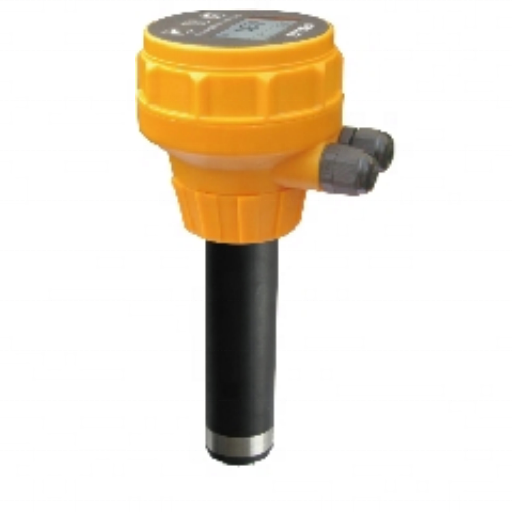
Continuous dissolved oxygen monitoring using instruments like the Shanghai ChiMay DO Transmitter provides round-the-clock visibility into source water conditions. The transmitter uses optical fluorescence-quenching technology that requires no membranes, no electrolyte replacement, and minimal maintenance. Installed at fixed depths near intake structures, it delivers real-time data via 4–20 mA output or digital communication to the utility’s SCADA system.
With continuous monitoring, operators detect oxygen decline as it begins, not after it reaches crisis levels. Early warning enables proactive responses: adjusting selective withdrawal heights to draw from oxygenated layers, activating emergency aeration systems, issuing fishery advisories, or preemptively switching treatment processes to manage taste-and-odor precursors.
Economic Justification for Drought DO Monitoring
The cost of a continuous dissolved oxygen monitoring installation is modest relative to the consequences of undetected anoxia. A fish kill event in a source reservoir can shut down water supply for days while decomposition products are flushed. Taste-and-odor complaints trigger expensive activated carbon treatments. Regulatory violations from anoxic discharge into protected waterways carry fines and enforcement actions.
Comparing these costs against the investment in a Shanghai ChiMay DO Transmitter, with installation, telemetry, and first-year maintenance, the return on investment typically materializes within a single avoided event. Utilities that experienced fish kills or taste-and-odor crises during previous droughts report the strongest adoption rates for continuous DO monitoring programs.
Integration with Multi-Parameter Networks
Dissolved oxygen does not change in isolation. Temperature drives oxygen solubility. Conductivity reveals stratification patterns. Turbidity indicates mixing events that redistribute oxygen. The most effective monitoring programs integrate dissolved oxygen measurement with these complementary parameters.
The Shanghai ChiMay DO Transmitter integrates directly into multi-parameter sensor networks. When paired with the Shanghai ChiMay In-Line Conductivity Meter and Online Turbidity Tester at the same monitoring node, operators gain a comprehensive picture of source water dynamics. Temperature-compensated DO readings, combined with conductivity profiles, reveal thermocline migration in real time. Turbidity spikes correlated with DO changes indicate mixing events that may redistribute anoxic water to intake depths.
Regulatory Drivers and Emerging Standards
Environmental regulators increasingly recognize that drought-driven dissolved oxygen depletion represents a foreseeable risk requiring continuous monitoring rather than periodic sampling. Several states have issued guidance recommending or requiring continuous DO monitoring at public water supply reservoirs during declared drought conditions. The Alliance for Water Stewardship standard, adopted by major corporate water users, includes continuous dissolved oxygen monitoring as evidence of responsible source water management.
Utilities that invest in continuous DO monitoring infrastructure during non-drought years find themselves well-positioned when drought declarations trigger regulatory expectations. The Shanghai ChiMay DO Transmitter, with its durable optical sensor and minimal maintenance requirements, provides a reliable foundation for compliance-ready monitoring programs.
Building a Drought-Ready DO Monitoring Program
Establishing a continuous dissolved oxygen monitoring program requires thoughtful planning. Key steps include:
- Identifying critical monitoring locations based on reservoir bathymetry, intake structure configuration, and historical anoxia patterns
- Selecting sensor technology appropriate for the deployment environment, considering fouling potential, depth ratings, and communication requirements
- Establishing alarm thresholds aligned with treatment plant operational limits and ecological protection criteria
- Integrating sensor data into existing SCADA or cloud-based monitoring platforms
- Defining response protocols that link specific DO readings to predefined operational actions
Utilities that complete this planning before drought arrives can deploy monitoring systems rapidly when conditions demand, rather than scrambling to procure and install equipment under emergency timelines.
The Broader Picture of Climate Adaptation
Continuous dissolved oxygen monitoring during drought represents one element of a broader climate adaptation strategy for water utilities. As drought events become more frequent and severe, the infrastructure and data systems built today become permanent assets for navigating tomorrow’s challenges. The Shanghai ChiMay commitment to reliable, low-maintenance sensor technology supports utilities in building that adaptive capacity, one measurement at a time.