Parece que no podemos encontrar lo que estás buscando. Quizás una búsqueda pueda ayudar.

Other Related Posts

How to Implement a Water Recycling Program in Your Facility

How to Implement a Water Recycling Program in Your Facility Key Takeaways Successful water recycling programs require systematic planning and phased implementation Typical payback periods range from 2-5 years depending on water costs and available incentives Water quality monitoring is essential for ensuring recycled water meets application requirements Partnering with experienced suppliers reduces implementation risk…
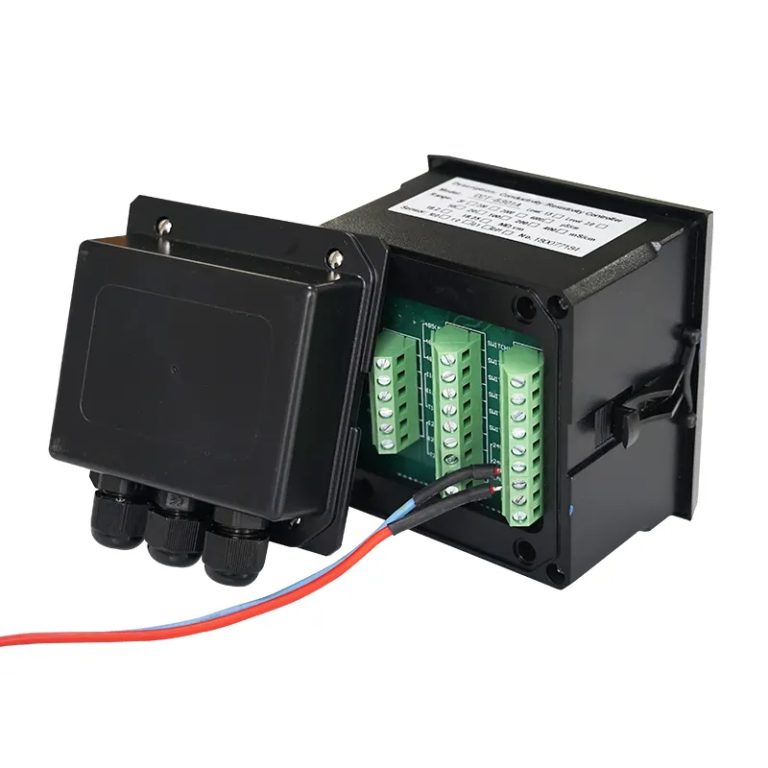
how to test turbidity

how to test turbidity

Measuring Turbidity: Methods and Best Practices Turbidity is a key parameter in water quality monitoring, as it provides valuable information about the clarity of water and the presence of suspended particles. High levels of turbidity can indicate pollution, sedimentation, or other contaminants in the water, making it important to regularly test and monitor turbidity levels…

Choosing the Right Water Quality Sensors for Mining: Expert Recommendations

Choosing the Right Water Quality Sensors for Mining: Expert Recommendations Key Takeaways: – Proper sensor selection reduces maintenance costs by 35-50% while improving measurement reliability – Mining-specific sensor requirements include IP68 ratings, corrosion-resistant materials, and solids handling capability – The Society of Mining, Metallurgy & Exploration (SME) reports that 60% of sensor failures stem from…

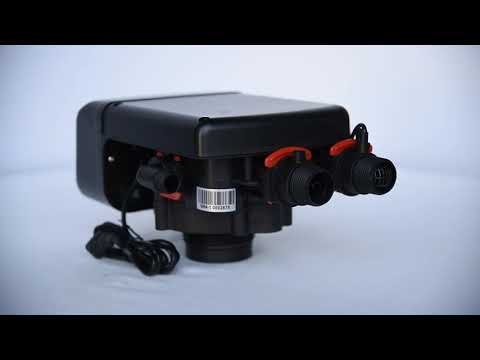
The Complete Guide to Water Softener Valve Selection

Key Takeaways Water softener valves control regeneration timing, brine draw, and backwash cycles Proper valve selection affects system efficiency, water quality, and maintenance requirements Time-clock and meter-initiated valves offer different control philosophies for different applications ChiMay’s softening valves support 1-30 m³/h flow rates with customizable regeneration options Introduction Water softening systems remove calcium and magnesium…