Parece que no podemos encontrar lo que estás buscando. Quizás una búsqueda pueda ayudar.

Other Related Posts

Real-Time Turbidity Monitoring for Safe Drinking Water Production

Key Takeaways: EPA drinking water regulations limit turbidity to 1 NTU maximum and 0.3 NTU monthly average for filtered water systems Online turbidity monitoring reduces filter backwash frequency by 20-35%, saving water and energy costs Nephelometric sensors achieve detection limits as low as 0.001 NTU, suitable for ultrapure water applications Treatment plants with continuous turbidity…
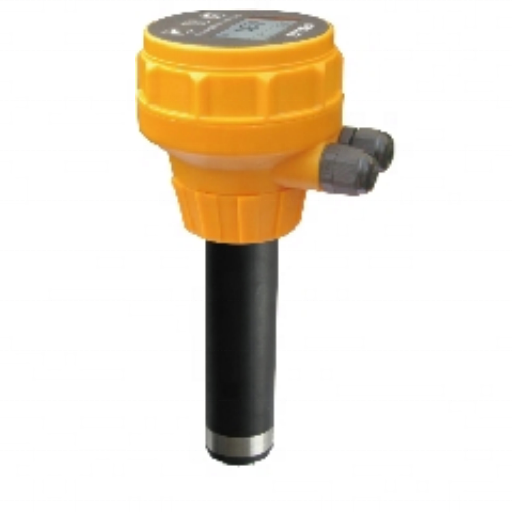
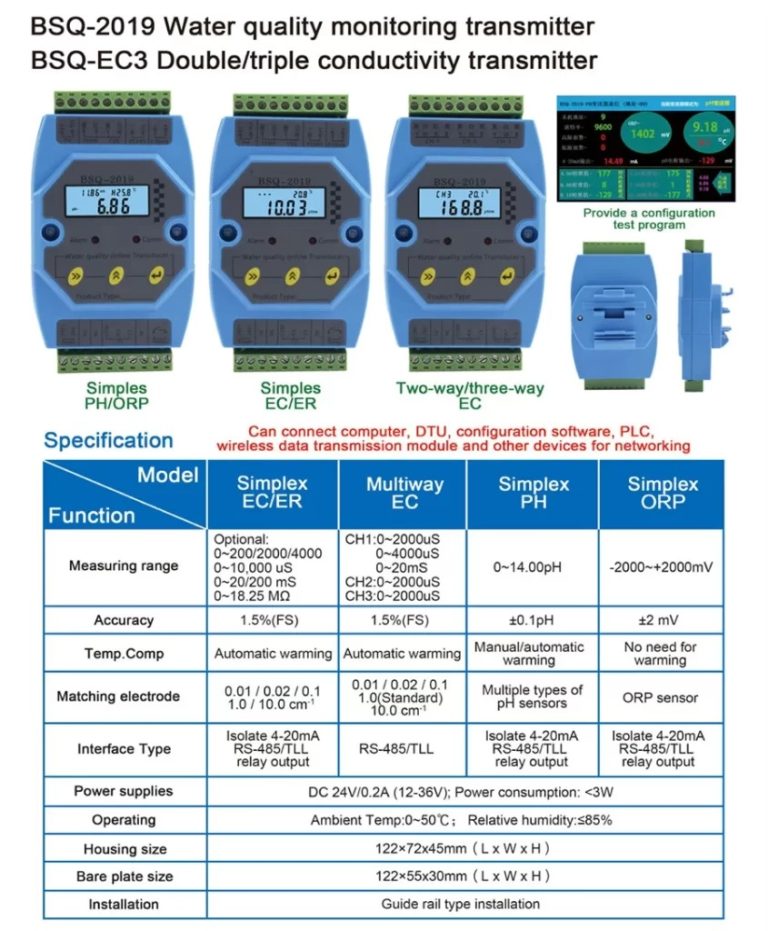
Computer Vision Meets Turbidity Detection: Next-Generation Monitoring Approaches

Computer Vision Meets Turbidity Detection: Next-Generation Monitoring Approaches Key Takeaways Machine vision turbidity detection achieves 95% correlation with laboratory nephelometry across diverse sample matrices Automated particle analysis identifies contamination events averaging 4.3 hours earlier than traditional turbidity monitoring AI-powered systems reduce false alarm rates by 60% compared to threshold-based detection approaches Continuous particle characterization enables…

Why Inline pH Sensors Fail in High-Temperature Industrial Water Systems

Key Takeaways Over 65% of inline pH sensor failures in industrial applications are caused by temperature-related reference junction degradation Operating above 60°C accelerates reference electrode poisoning by up to 400% compared to ambient-temperature deployments junction potential drift accounts for 0.01–0.03 pH units per day in uncompensated high-temperature sensors — enough to trigger false alarm events…