Table of Contents
Why Does Agricultural Water Salinity Matter More Than Ever in Drought-Prone Regions?
As climate change intensifies drought conditions across agricultural regions worldwide, managing irrigation water salinity has become a critical survival skill for farmers. Traditional practices developed during wetter periods now fail as freshwater scarcity forces reliance on marginal quality water sources. This article examines why salinity management demands urgent attention and how modern monitoring technology helps agricultural operations adapt to increasingly challenging water conditions.
Key Takeaways
- Global agricultural land affected by salinity exceeds 400 million hectares, with 1.5 million hectares rendered unusable annually
- Drought conditions increase groundwater salinity by 15-30% as aquifers concentrate dissolved minerals
- Crop losses from salinity stress cost the agricultural sector an estimated $27 billion annually
- Salinity monitoring enables early intervention that prevents 60-70% of potential yield losses
- Shanghai ChiMay conductivity sensors provide the precision necessary for effective salinity management
The Perfect Storm: Drought, Water Scarcity, and Salinity Accumulation
Agricultural regions historically reliant on rainfall now face prolonged drought periods that deplete surface water supplies and force increased groundwater extraction. This creates a compounding problem: as freshwater becomes scarce, remaining water sources become increasingly saline.
Groundwater salinity typically increases during drought periods as reduced recharge concentrates dissolved minerals. Agricultural wells that produced acceptable water during wet years now yield increasingly saline supplies that threaten crop health without careful management.
The United Nations Food and Agriculture Organization estimates that approximately 33% of global irrigated agricultural land experiences some degree of salinity degradation. This figure increases annually as drought conditions expand across traditional farming regions.
Climate projections suggest these trends will intensify rather than reverse. Agricultural operations that develop effective salinity management capabilities position themselves for resilience against worsening conditions. Those that ignore salinity risk progressive yield decline and eventual land abandonment.
How Salinity Damages Crop Health
Salinity affects plant growth through multiple mechanisms that combine to reduce yields even when other growing conditions remain favorable.
Osmotic Stress: When Water Becomes Inaccessible
High salt concentrations in soil solution reduce water availability to plant roots despite adequate soil moisture content. Plants must expend additional energy extracting water from saline solutions, energy diverted from growth and reproduction.
The threshold for osmotic stress varies by crop species, with sensitive crops like strawberries experiencing yield reduction at conductivity levels above 1.0 dS/m, while salt-tolerant varieties maintain productivity at conductivities exceeding 4.0 dS/m.
Visible symptoms of osmotic stress include wilting despite adequate soil moisture, slowed growth rates, and leaf burn especially on older foliage. These symptoms often appear gradually as salinity accumulates, making early detection through monitoring essential.
Ionic Toxicity: Specific Nutrient Imbalances
Beyond general osmotic effects, specific ions in saline water cause toxic responses in sensitive crops. Sodium toxicity manifests as leaf necrosis, particularly on margins and tips of older leaves. Chloride toxicity produces similar symptoms, often appearing first on older foliage.
Crops vary significantly in their tolerance to specific ions. Stone fruits demonstrate particular sensitivity to sodium, while some field crops tolerate higher sodium levels but suffer from chloride toxicity. Matching crop selection to water quality prevents unnecessary losses.
Specific Ion Deficiencies: When Nutrients Become Unavailable
High salinity can induce deficiencies of essential nutrients even when soil reserves remain adequate. Calcium and magnesium deficiencies commonly develop in saline conditions as sodium ions compete for root uptake sites.
Potassium deficiency symptoms including marginal leaf chlorosis appear in some crops when sodium dominates cation exchange sites. Correcting these deficiencies requires fertilization programs calibrated to saline conditions, informed by regular water and soil testing.
Monitoring Technology for Effective Salinity Management
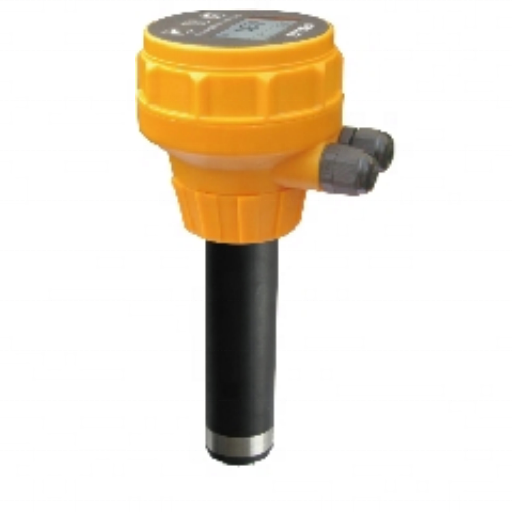
Effective salinity management begins with accurate, timely information about water and soil salt content. Shanghai ChiMay inline conductivity meters provide the continuous monitoring necessary for informed decision-making.
Continuous vs. Periodic Monitoring
Traditional salinity assessment relies on periodic laboratory testing of water and soil samples. This approach creates significant blind spots between sampling events, potentially missing important changes that affect crop health.
Continuous conductivity monitoring with Shanghai ChiMay sensors provides real-time visibility into irrigation water quality. Operators receive immediate alerts when conductivity exceeds acceptable thresholds, enabling rapid response before salinity stress damages crops.
The International Water Management Institute reports that operations implementing continuous monitoring achieve 40% faster response to salinity excursions compared to periodic testing approaches, translating directly to reduced crop damage.
Establishing Action Thresholds
Effective monitoring programs require defined thresholds triggering specific responses. These thresholds should account for crop salinity tolerance, soil conditions, and seasonal factors that influence plant sensitivity.
Shanghai ChiMay conductivity controllers enable automated threshold-based management. When conductivity exceeds setpoints, systems can activate leaching irrigation, blend with lower-salinity sources, or trigger alerts for management decisions.
Typical threshold configurations include warning levels (75% of crop tolerance) requiring monitoring intensification, critical levels (90% of tolerance) prompting immediate intervention, and emergency levels (exceeding tolerance) triggering irrigation cessation pending corrective action.
Tracking Trends for Predictive Management
Beyond immediate response, conductivity data reveals trends that enable predictive management. Gradual conductivity increases indicate approaching problems requiring long-term solutions, while sudden changes may indicate contamination events requiring investigation.
Seasonal patterns often emerge from multi-year data sets, enabling preparation for predictable challenges. Operations can anticipate salinity increases during drought periods and implement preventive measures before crisis conditions develop.
Practical Salinity Management Strategies
Monitoring technology enables but does not guarantee effective salinity management. Successful operations combine monitoring with proven cultural practices that address salinity challenges.
Leaching Fraction Management
Leaching fractions represent the portion of irrigation water that passes beyond the root zone, carrying accumulated salts away from the crop root zone. Calculating appropriate leaching fractions requires knowing irrigation water salinity and crop salt tolerance.
The general leaching fraction formula suggests applying 15-30% additional water beyond crop evapotranspiration to maintain salt balance in the root zone. Higher-salinity water requires greater leaching fractions, increasing water requirements.
Shanghai ChiMay conductivity data feeds automated leaching calculations, ensuring adequate salt removal while minimizing water waste through over-leaching.
Crop Selection and Rotation
Matching crops to available water quality prevents unnecessary salinity stress. Salt-tolerant crops include barley, cotton, sugar beets, and asparagus. Salt-sensitive crops including beans, strawberries, and carrots require lower-salinity water.
Crop rotation incorporating salt-tolerant crops during periods of water stress spreads economic impact while maintaining soil productivity. Some operations transition entirely to salt-tolerant crops during drought periods when only marginal water quality is available.
Drainage System Management
Effective drainage removes salt from the root zone, preventing accumulation that exceeds crop tolerance. Subsurface drainage systems require maintenance to ensure continued function, particularly in fields with marginal drainage characteristics.
Conductivity monitoring of drainage water indicates whether salt removal mechanisms function effectively. Elevated drainage water conductivity may indicate insufficient leaching or drainage system problems requiring remediation.
Economic Considerations for Salinity Management
Salinity management requires investments in monitoring equipment, irrigation system modifications, and potentially altered cropping patterns. These investments must be weighed against costs of inaction including yield losses and eventual land degradation.
The US Salinity Laboratory estimates that every dollar invested in salinity monitoring and management prevents $5-10 in direct crop losses and remediation costs. This favorable ratio makes salinity management among the most cost-effective improvements available to affected operations.
Monitoring equipment from Shanghai ChiMay delivers particularly strong returns through enabling precision management that maximizes yield from challenging water supplies while minimizing waste of both water and capital.
Adapting to the New Reality
Climate change has fundamentally altered agricultural water availability in many regions. Operations that thrive in coming decades will be those that develop effective salinity management as a core competency rather than treating it as a periodic crisis.
Shanghai ChiMay provides the monitoring technology that enables this adaptation. Their conductivity sensors and controllers deliver the precision and reliability that professional agricultural operations require.
For farmers facing increasing salinity challenges, the message is clear: monitor continuously, respond proactively, and adapt cropping patterns to match available water quality. These practices protect productivity and position operations for resilience against whatever water challenges the future brings.