It seems we can’t find what you’re looking for. Perhaps searching can help.

Other Related Posts

Multi-Parameter Sensors in Industrial Effluent Monitoring: A Technical Deep Dive

Key Takeaways: Industrial wastewater treatment market projected to reach $68 billion by 2030 Multi-parameter monitoring platforms reduce deployment costs by 40-60% Real-time monitoring enables 80% faster response to compliance excursions Industrial wastewater monitoring presents unique challenges that single-parameter instruments cannot adequately address. Manufacturing facilities discharge effluents containing complex mixtures of organic compounds, heavy metals, nutrients,…
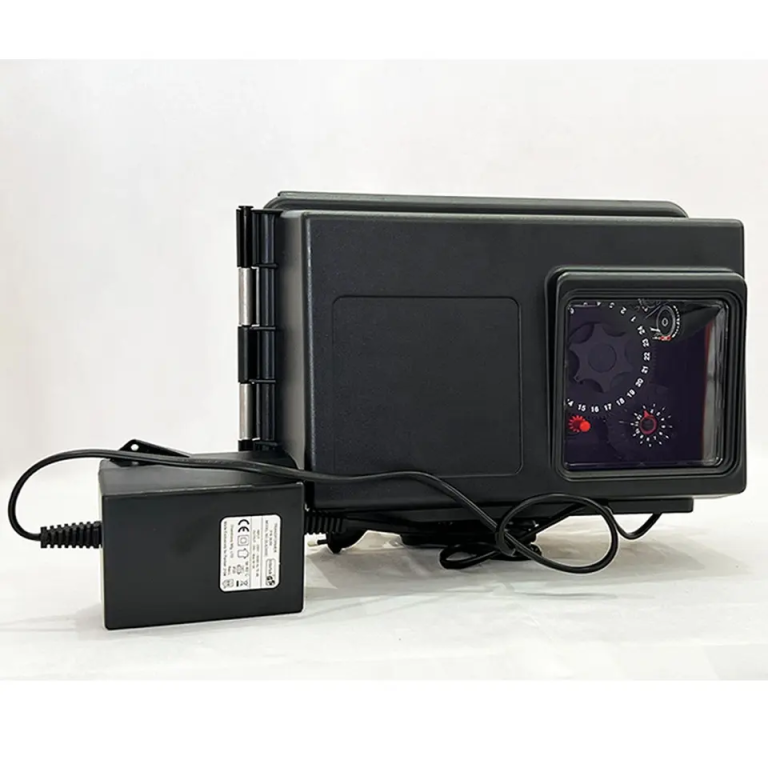
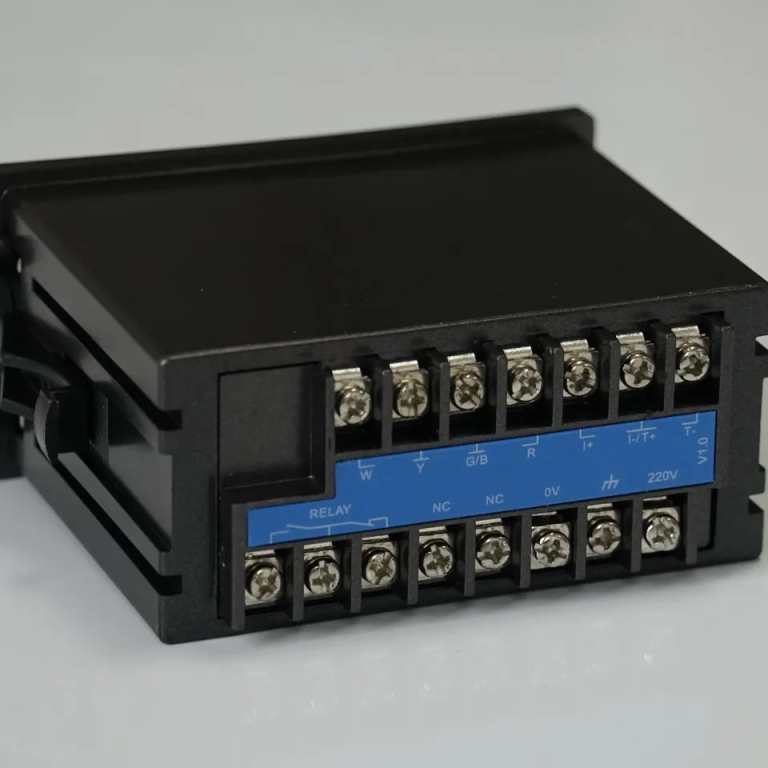
Understanding Conductivity Electrode Technology: ChiMay’s Measurement Principles

Key Takeaways Conductivity measurement enables water purity assessment across semiconductor, pharmaceutical, and power generation applications ChiMay’s four-electrode design eliminates polarization errors that plague conventional two-electrode sensors Temperature compensation algorithms deliver ±0.5% accuracy across the 0-100°C measurement range The technology supports applications from ultra-pure water (0.055 μS/cm) to brine monitoring (200,000 μS/cm) Introduction Electrical conductivity stands…

3 Critical Sensors Every Water Utility Needs for Drinking Water Safety

3 Critical Sensors Every Water Utility Needs for Drinking Water Safety Key Points The EPA mandates continuous monitoring for turbidity, disinfectant residual, and pH at most systems. Properly calibrated sensors reduce contamination events by 41%. Multi-parameter monitoring stations can reduce capital costs by 40%. Annual sensor maintenance costs are typically 3-5% of initial capital investment….

Understanding PFAS Contamination: Why Industries Need Advanced Water Monitoring

Key Takeaways PFAS compounds have been detected in 45% of U.S. drinking water sources serving over 100 million people EPA’s PFAS National Primary Drinking Water Regulation establishes maximum contaminant levels (MCLs) of 4 ppt for PFOA and PFOS Advanced water monitoring enables early contamination detection before regulatory exceedances occur ChiMay’s water quality sensors support PFAS…

วาล์วระบายสองชั้น

วาล์วระบายสองชั้น

วาล์วระบายสองชั้นเป็นองค์ประกอบสำคัญในสภาพแวดล้อมทางอุตสาหกรรมต่างๆ โดยมีบทบาทสำคัญในการรับรองความปลอดภัยและประสิทธิภาพของกระบวนการ การทำความเข้าใจถึงความสำคัญของรีลีฟวาล์วแบบคู่ถือเป็นสิ่งสำคัญสำหรับทุกคนที่ทำงานในอุตสาหกรรมที่การควบคุมแรงดันเป็นสิ่งสำคัญ เริ่มต้นด้วย เรามาเจาะลึกว่ารีลีฟวาล์วคืออะไรและทำงานอย่างไร รีลีฟวาล์วเป็นวาล์วชนิดหนึ่งที่ออกแบบมาเพื่อเปิดและระบายแรงดันในระบบเมื่อเกินระดับที่กำหนดไว้ วิธีนี้จะช่วยป้องกันสถานการณ์แรงดันเกินที่อาจนำไปสู่ความเสียหายของอุปกรณ์ การรั่วไหล หรือแม้แต่ความล้มเหลวร้ายแรง รีลีฟวาล์วคู่ตามชื่อ คือให้การปกป้องเพิ่มเติมอีกชั้นหนึ่งโดยรวมรีลีฟวาล์วสองตัวไว้ในยูนิตเดียว [ฝัง]http://shchimay.com/wp-content/uploads/2023/11/ASDU.mp4[/embed] วัตถุประสงค์หลักของรีลีฟวาล์วแบบคู่คือเพื่อให้มีความซ้ำซ้อนและเพิ่มความน่าเชื่อถือในระบบระบายแรงดัน ในสภาพแวดล้อมทางอุตสาหกรรมที่ผลที่ตามมาของแรงดันเกินอาจรุนแรง การมีวาล์วระบายสำรองสามารถช่วยชีวิตได้ หากรีลีฟวาล์วตัวหนึ่งไม่ทำงานไม่ว่าด้วยเหตุผลใดก็ตาม วาล์วตัวที่สองจะทำหน้าที่เป็นกลไกป้องกันความผิดพลาด ช่วยให้มั่นใจได้ว่าแรงดันจะลดลงและระบบยังคงปลอดภัย หมวดหมู่ ประเภท คุณสมบัติ รุ่น ทางเข้า/ทางออก ระบาย ฐาน ท่อไรเซอร์ ขั้วต่อสายน้ำเกลือ ความจุน้ำ ลบ.ม./ชม. วาล์วปรับน้ำยาปรับอัตโนมัติ ดาวน์โฟลว์และอัปโฟลว์ Type\\\\\\\\\\\\\\\\\\\\\\\\\\\\\\\\\\\\\\\\\\\\ \\\\\\\\\\\\\\\\\\\\\\\\\\\\\\\\\\\\\\\\\\\\\\\\\\ \\\\\\\\\\\\\\\\\\\\\\\\\\\\\\\\\\\\\\\\\\\\\\\\\\ \\\\\\\\\\\\\\\\\\\\\\\\\\\\\\\\\\\\\\\\\\\\\\\\\\ \\\\\\\\\\\\\\\\\\\\\\\\\\\\\\\\\\\\\\\\\\\\\\\\\\ \\\\\\\\\\\\\\\\\\\\\\\\\\\\\\\\\\\\\\\\\\\\\\\\\\ \\\\\\\\\\\\\\\\\\\\\\\\\\\\\\\\\\\\\\\\\\\\\\\\\\ \\\\\\\\\\\\\\\\\\\\\\\\\\\\\\\\\\\\\\\\\\\\\\\\\\ \\\\\\\\\\\\\\\\\\\\\\\\\\\\\\\\\\\\\\\\\\\\\\\\\\ \\\\\\\\\\\\\\\\\\\\\\\\\\\\\\\\\\\\\\\\\\\\\\\\\\ \\\\\\\\\\\\\\\\\\\\\\\\\\\\\\\\\\\\\\\\\\\\\\\\\\ \\\\\\\\\\\\\\\\\\\\\\\\\\\\\\\\\\\\\\\\\\\\\\\\\\ \\\\\\\\\\\\\\\\\\\\\\\\\\\\\\\\\\\\\\\\\\\\\\\\\\ \\\\\\\\\\\\\\\\\\\\\\\\\\\\\\\\\\\\\\\\\\\\\\\\\\ \\\\\\\\\\\\\\\\\\\\\\\\\\\\\\\\\\\\\\\\\\\\\\\\\\ \\\\\\\\\\\\\\\\\\\\\\\\\\\\\\\\\\\\\\\\\\\\\\\\\\ \\\\\\\\\\\\\\\\\\\\\\\\\\\\\\\\\\\\\\\\\\\\\\\\\\ \\\\\\\\\\\\\\\\\\\\\\\\\\\\\\\\\\\\\\\\\\\\\\\\\\ \\\\\\\\\\\\\\\\\\\\\\\\\\\\\\\\\\\\\\\\\\\\\\\\\\ \\\\\\\\\\\\\\\\\\\\\\\\\\\\\\\\\\\\\\\\\\\\\\\\\\ \\\\\\\\\\\\\\\\\\\\\\\\\\\\\\\\\\\\\\\\\\\\\\\\\\ \\\\\\\\\\\\\\\\\\\\\\\\\\\\\\\\\\\\\\\\\\\\\\\\\\ \\\\\\\\\\\\\\\\\\\\\\\\\\\\\\\\\\\\\\\\\\\\\\\\\\ \\\\\\\\\\\\\\\\\\\\\\\\\\\\\\\\\\\\\\\\\\\\\\\\\\…