It seems we can’t find what you’re looking for. Perhaps searching can help.

Other Related Posts

Oil-in-Water Sensors: Protecting Water Reuse Systems from Hydrocarbon Contamination

Oil-in-Water Sensors: Protecting Water Reuse Systems from Hydrocarbon Contamination Key Takeaways Oil contamination causes $45,000-180,000 in annual membrane damage per 10,000 m³/day water reuse facility (Water Research Foundation 2024). Online oil-in-water sensors enable 80% faster detection of hydrocarbon contamination compared to manual sampling methods. The global oil-in-water analyzer market exceeds $320 million, with water reuse…
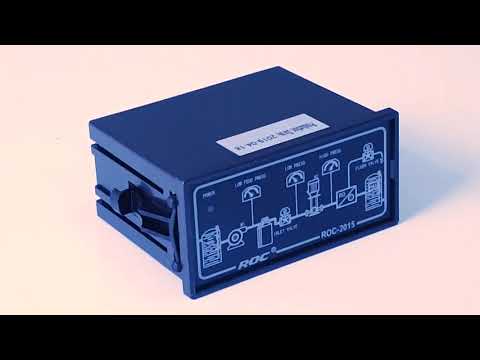
Why Real-Time Water Quality Monitoring Reduces Chemical Waste Costs

Key Takeaways Industrial facilities spend $2.3 billion annually on water treatment chemicals, with up to 38% wasted due to delayed or inaccurate monitoring Switching from manual sampling to continuous online monitoring reduces chemical consumption by 23–41% within the first year of deployment Real-time data enables predictive dosing, cutting reagent waste and lowering hazardous disposal costs…

Automated Water Quality Forecasting: From Reactive to Proactive Treatment Management

Automated Water Quality Forecasting: From Reactive to Proactive Treatment Management Key Takeaways Predictive water quality models achieve 78-85% accuracy for 24-hour parameter forecasts in municipal applications Proactive treatment management reduces chemical consumption by 15-22% compared to reactive control approaches Automated forecasting systems decrease emergency response events by up to 65% through early warning AI-powered prediction…