It seems we can’t find what you’re looking for. Perhaps searching can help.

Other Related Posts

Industrial Online pH Sensor Installation Best Practices for Chemical Processing

Industrial Online pH Sensor Installation Best Practices for Chemical Processing Key Takeaways Proper sensor installation depth reduces measurement drift by up to 60% compared to superficial mounting Temperature compensation algorithms improve accuracy within ±0.02 pH across 0-80°C operating ranges Electrode maintenance intervals extend to 90 days with automated cleaning systems 73% of pH measurement errors…
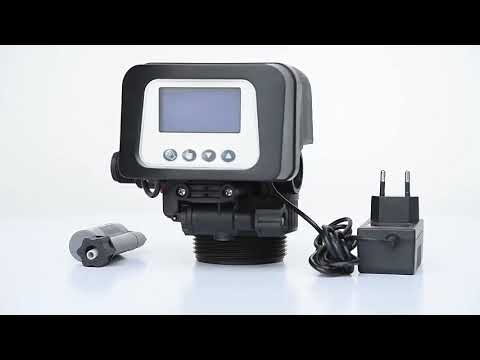
cabeça de controle do amaciante com medição digital Fleck 5600sxt

Benefícios da atualização para o cabeçote de controle do amaciante com medição digital Fleck 5600SXT Os amaciantes de água são essenciais para manter a qualidade da água em sua casa. Eles ajudam a remover minerais como cálcio e magnésio, que podem causar problemas de água dura. Se você está procurando um novo cabeçote de controle…

Leak Detection Technologies: Integrating Sensors with SCADA for Water Networks

Leak Detection Technologies: Integrating Sensors with SCADA for Water Networks ChiMay Product Category: Multi-Parameter Sensor, Analyzer Key Takeaways Water utilities lose an estimated $13.6 billion annually in North America due to water loss from leaks and theft Average leak detection response time with traditional methods exceeds 45 days compared to 24-72 hours with continuous monitoring…

5 Ways pH Monitoring Transforms Seawater Desalination Efficiency

5 Ways pH Monitoring Transforms Seawater Desalination Efficiency Key Takeaways: – Maintaining optimal pH between 7.0-8.5 can reduce membrane scaling by up to 45% – Real-time pH monitoring prevents $50,000-100,000 in annual chemical costs – pH control directly impacts energy consumption—each 0.1 unit deviation increases energy use by 1-2% – Automated pH adjustment systems reduce…

Real-Time Turbidity Monitoring for Safe Drinking Water Production

Key Takeaways: EPA drinking water regulations limit turbidity to 1 NTU maximum and 0.3 NTU monthly average for filtered water systems Online turbidity monitoring reduces filter backwash frequency by 20-35%, saving water and energy costs Nephelometric sensors achieve detection limits as low as 0.001 NTU, suitable for ultrapure water applications Treatment plants with continuous turbidity…