It seems we can’t find what you’re looking for. Perhaps searching can help.

Other Related Posts

How Can Cities Reduce Water Loss with Smart Infrastructure?

How Can Cities Reduce Water Loss with Smart Infrastructure? Key Takeaways Smart infrastructure technologies can reduce water losses by 30-50% in urban distribution networks Non-revenue water costs global utilities $39 billion annually, with smart technologies offering proven ROI Real-time monitoring enables leak detection within hours compared to traditional weeks-long identification times Predictive analytics reduce infrastructure…
dissolved oxygen meter accuracy

dissolved oxygen meter accuracy

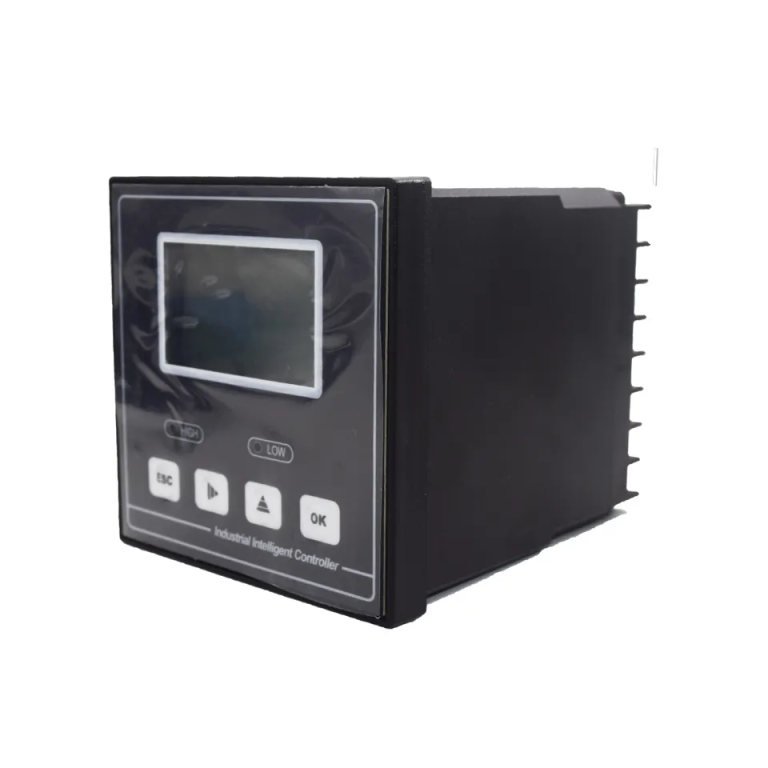
Factors Affecting Dissolved Oxygen Meter Accuracy Dissolved oxygen meters are essential tools used in various industries, including environmental monitoring, aquaculture, and wastewater treatment. These meters measure the amount of oxygen dissolved in water, providing valuable information about water quality and the health of aquatic ecosystems. However, the accuracy of dissolved oxygen meters can be influenced…

atc in ph meter

atc in ph meter

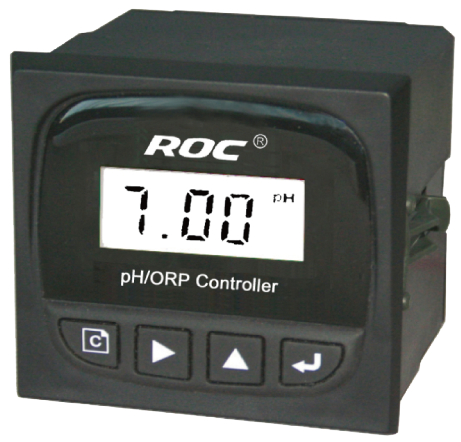
Understanding the Importance of Automatic Temperature Compensation (ATC) in pH Meters pH meters are essential tools used in various industries, including food and beverage, pharmaceuticals, and environmental monitoring. These devices measure the acidity or alkalinity of a solution by determining the concentration of hydrogen ions present. However, one crucial factor that can affect the accuracy…

어떤 정수필터가 먼저 가나요

어떤 정수필터가 먼저 가나요

정수 여과 시스템에서는 프리필터나 침전물 필터가 먼저 사용됩니다. 정수필터의 올바른 순서 결정의 중요성 정수 필터는 모든 가정의 정수 시스템에 필수적인 구성 요소입니다. 불순물과 오염 물질을 제거하여 우리가 소비하는 물이 안전하고 깨끗하도록 보장합니다. 그러나 효율성을 극대화하려면 이러한 필터를 올바른 순서로 설치해야 하는지 결정하는 것이 중요합니다. 이 기사에서는 정수 필터의 올바른 순서를 결정하는 것의 중요성과 그것이 왜…

Strategic Value of Water Quality Management in Data Center Cooling Systems

Key Takeaways Data centers consume approximately 200 billion gallons of water annually for cooling applications, representing significant operational cost exposure Poor cooling water quality increases energy consumption by 15-25% through scale formation and biofouling Investment in advanced water quality analyzer delivers ROI of 145% within 24 months through energy efficiency improvements Predictive scaling control reduces…

Residual Chlorine Sensor Selection for Food and Beverage Processing Applications

Key Takeaways Food and beverage processing facilities consume approximately $4.2 billion annually in water treatment costs, with disinfection representing 18% of total expenditure Residual chlorine sensor technology provides measurement accuracy of ±0.03 mg/L for precise disinfection control Optimized chlorine dosing through continuous monitoring reduces chemical costs by 28% while maintaining regulatory compliance ChiMay’s electrochemical sensors…