It seems we can’t find what you’re looking for. Perhaps searching can help.

Other Related Posts

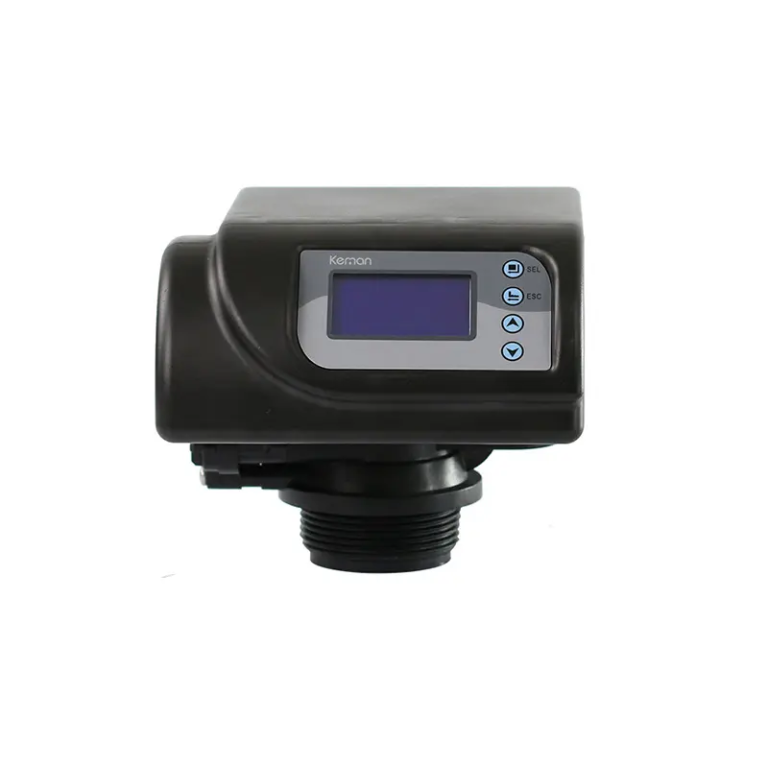
The Complete Guide to Water Softener Valve Selection

Key Takeaways Water softener valves control regeneration timing, brine draw, and backwash cycles Proper valve selection affects system efficiency, water quality, and maintenance requirements Time-clock and meter-initiated valves offer different control philosophies for different applications ChiMay’s softening valves support 1-30 m³/h flow rates with customizable regeneration options Introduction Water softening systems remove calcium and magnesium…
Low-Voltage Electrochemical Enhancement for SBR Systems: 98% Organic Removal

Low-Voltage Electrochemical Enhancement for SBR Systems: 98% Organic Removal Key Takeaways: – Low-voltage electrochemical treatment at 3V achieves 98% organic pollutant removal when integrated with sequencing batch reactor (SBR) systems – Hybrid electrochemical-biological treatment reduces hydraulic retention time by 40% compared to conventional SBR operation – Energy consumption of <1.5 kWh/m³ makes electrochemical-SBR hybrid systems…

Why Real-Time Water Quality Monitoring Reduces Chemical Waste Costs

Key Takeaways Industrial facilities spend $2.3 billion annually on water treatment chemicals, with up to 38% wasted due to delayed or inaccurate monitoring Switching from manual sampling to continuous online monitoring reduces chemical consumption by 23–41% within the first year of deployment Real-time data enables predictive dosing, cutting reagent waste and lowering hazardous disposal costs…

Membrane Fouling Detection Using Real-Time Conductivity Monitoring

Membrane Fouling Detection Using Real-Time Conductivity Monitoring Key Takeaways Membrane fouling causes 35-50% of premature membrane replacements in ZLD applications Real-time conductivity monitoring enables fouling detection 48-72 hours before critical damage occurs Early intervention through conductivity profiling reduces cleaning costs by 40-60% Shanghai ChiMay conductivity sensors provide ±1% accuracy critical for fouling detection sensitivity Introduction…

Water Distribution System Monitoring: Best Practices for Utilities

Key Takeaways Continuous monitoring reduces water quality incidents by 35-50% across distribution networks SCADA-integrated sensor systems improve operational efficiency by 25-40% Effective monitoring programs achieve 90% faster response to infrastructure issues Utilities investing in monitoring report $2.4 million average annual savings ChiMay's comprehensive sensor portfolio enables complete distribution monitoring solutions Introduction Water distribution systems represent…