It seems we can’t find what you’re looking for. Perhaps searching can help.

Other Related Posts

How Online Oil-in-Water Sensors Work in Produced Water Monitoring

Key Takeaways Online oil-in-water sensors detect hydrocarbon concentrations in produced water with precision levels reaching 0.1 mg/L UV fluorescence technology enables real-time monitoring without sample collection delays Industries achieve 99.7% compliance rates with continuous monitoring compared to 73% with grab sampling Produced water monitoring costs drop 45% when switching to continuous online systems Regulatory requirements…

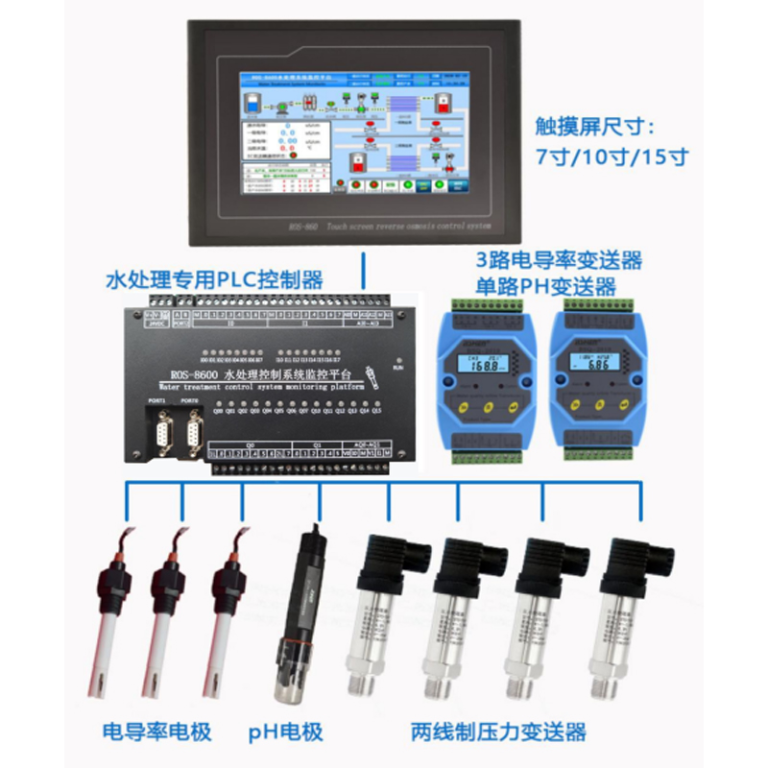
reverse osmosis controller error codes

reverse osmosis controller error codes

Common Reverse Osmosis Controller Error Codes and How to Troubleshoot Them Reverse osmosis (RO) systems are widely used in various industries and households to purify water by removing impurities and contaminants. These systems are equipped with controllers that help monitor and regulate the RO process. However, like any electronic device, RO controllers can encounter errors…

L’elettrodo del phmetro si è asciugato

L’elettrodo del phmetro si è asciugato

Come ravvivare un elettrodo pHmetro seccato Un pHmetro è uno strumento essenziale per misurare l’acidità o l’alcalinità di una soluzione. È costituito da una sonda con elettrodo di vetro che rileva la concentrazione di ioni idrogeno nella soluzione. Tuttavia, se l’elettrodo si secca, ciò può influire sulla precisione delle letture del pH. In questo articolo,…

Can Smart Water Meters Really Reduce Non-Revenue Water Losses?

Can Smart Water Meters Really Reduce Non-Revenue Water Losses? Key Points Global non-revenue water averages 30% of total water production, with some cities exceeding 45%. Advanced metering infrastructure (AMI) reduces water losses by 18-25% on average. Smart meters enable leak detection 72 hours faster than traditional reading cycles. ROI for AMI implementation typically achieved within…

Strategic Value of Water Quality Management in Data Center Cooling Systems

Key Takeaways Data centers consume approximately 200 billion gallons of water annually for cooling applications, representing significant operational cost exposure Poor cooling water quality increases energy consumption by 15-25% through scale formation and biofouling Investment in advanced water quality analyzer delivers ROI of 145% within 24 months through energy efficiency improvements Predictive scaling control reduces…