It seems we can’t find what you’re looking for. Perhaps searching can help.

Other Related Posts

Inside the Cleanroom: How UPW Quality Shapes Semiconductor Yield — A Shanghai ChiMay Field Guide

Inside the Cleanroom: How UPW Quality Shapes Semiconductor Yield — A Shanghai ChiMay Field Guide Walk into any wafer fab cleanroom and the first thing the eye notices is the lighting, the suits, and the orderly choreography of tools. The thing the eye does not notice — and the thing that quietly determines whether the…
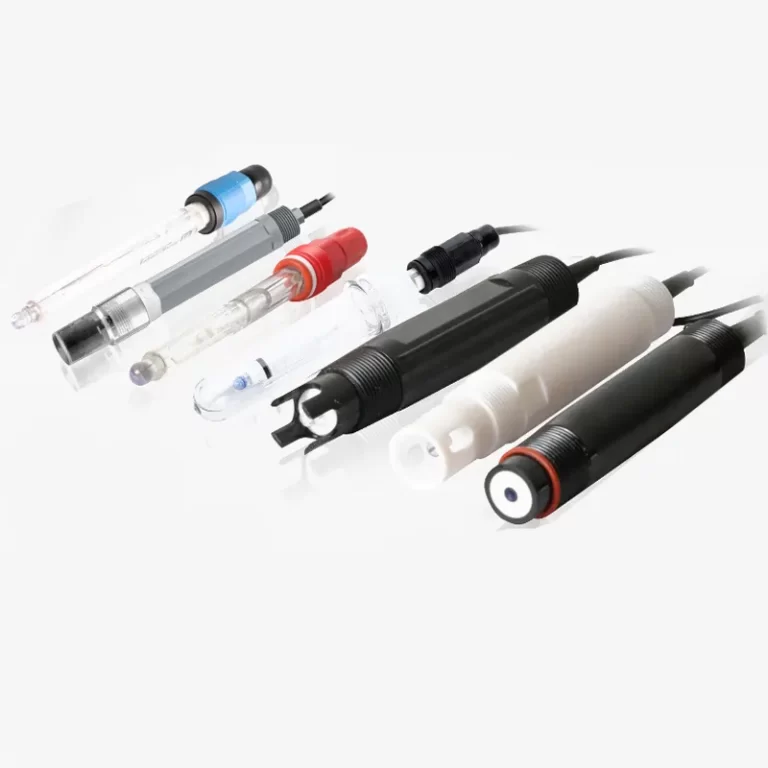
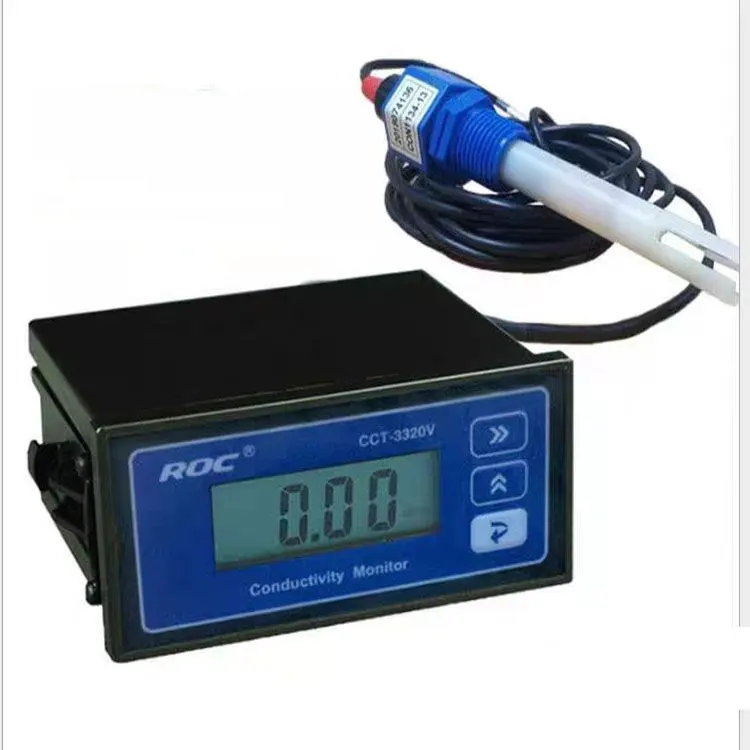
Why Are Multi-Parameter Water Quality Sensors Gaining Popularity in Industrial Applications

Why Are Multi-Parameter Water Quality Sensors Gaining Popularity in Industrial Applications Key Takeaways: – Multi-parameter sensor adoption grew 47% between 2020-2025 across industrial sectors – 65% of new monitoring installations now specify multi-parameter sensors as standard – Operational cost reduction averages 38% compared to equivalent single-parameter deployments – Integrated sensors reduce maintenance time by 75%…

valve intelligente Pentair

Avantages de la mise à niveau vers Pentair IntelliValve pour les propriétaires de piscine Les propriétaires de piscine sont toujours à la recherche de moyens de rendre l’entretien de leur piscine plus facile et plus efficace. Une façon d’y parvenir consiste à passer au Pentair IntelliValve. Cet équipement innovant offre une gamme d’avantages qui peuvent…

Manuel du testeur de qualité de l’eau TDS Meter 3

Manuel du testeur de qualité de l’eau TDS Meter 3

L’importance de surveiller les matières dissoutes totales (TDS) dans l’eau L’eau est une ressource essentielle pour tous les organismes vivants, et garantir sa qualité est crucial pour maintenir la santé et le bien-être. Les matières dissoutes totales (TDS) sont un indicateur clé de la qualité de l’eau, représentant la concentration de substances dissoutes dans l’eau….

Understanding Conductivity Electrode Technology: ChiMay’s Measurement Principles

Key Takeaways Conductivity measurement enables water purity assessment across semiconductor, pharmaceutical, and power generation applications ChiMay’s four-electrode design eliminates polarization errors that plague conventional two-electrode sensors Temperature compensation algorithms deliver ±0.5% accuracy across the 0-100°C measurement range The technology supports applications from ultra-pure water (0.055 μS/cm) to brine monitoring (200,000 μS/cm) Introduction Electrical conductivity stands…