It seems we can’t find what you’re looking for. Perhaps searching can help.

Other Related Posts

pH Measurement in Desalination and Water Reuse: A Technical Guide

pH Measurement in Desalination and Water Reuse: A Technical Guide Key Takeaways Precise pH control reduces membrane scaling by 40-55% in desalination applications Shanghai ChiMay inline pH electrodes provide ±0.02 accuracy for critical process control Automatic temperature compensation ensures measurement stability across 0-100°C operating range Continuous pH monitoring improves chemical efficiency by 20-30% in water…
Why Inline pH Sensors Fail in High-Temperature Industrial Water Systems

Key Takeaways Over 65% of inline pH sensor failures in industrial applications are caused by temperature-related reference junction degradation Operating above 60°C accelerates reference electrode poisoning by up to 400% compared to ambient-temperature deployments junction potential drift accounts for 0.01–0.03 pH units per day in uncompensated high-temperature sensors — enough to trigger false alarm events…

How Optical Sensors Are Revolutionizing Municipal Water Quality Monitoring

How Optical Sensors Are Revolutionizing Municipal Water Quality Monitoring Key Points The global water quality sensor market is projected to reach $12.8 billion by 2027, with optical sensors driving 38% of new installations. Approximately 68% of water utilities now deploy IoT-enabled sensors for real-time monitoring. Optical sensing technology offers reagent-free analysis, reducing operational costs by…

water softener valve types

water softener valve types

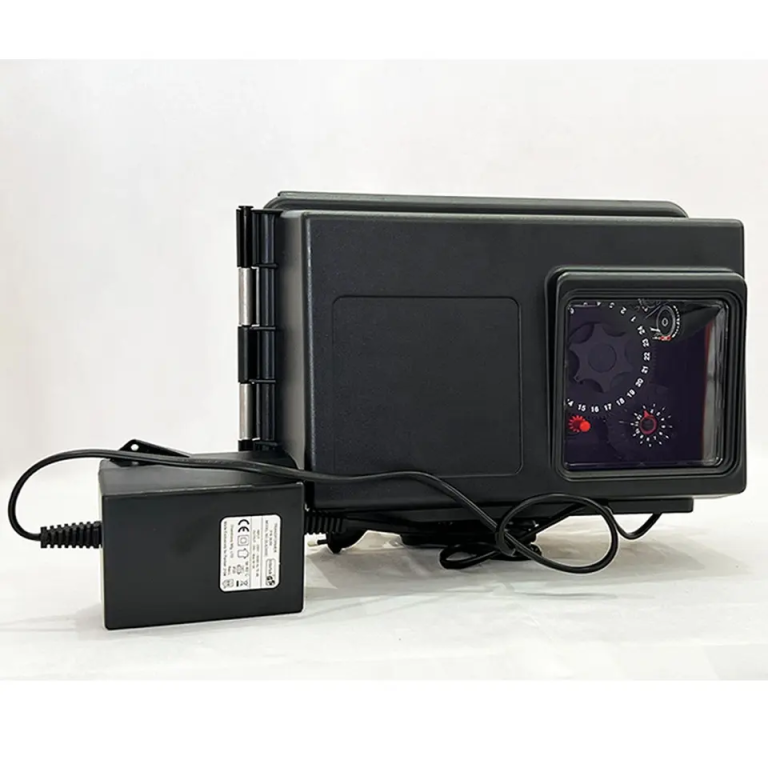
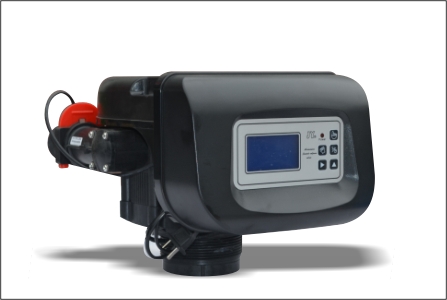
Understanding Different Types of Water Softener Valves Water softeners are essential household appliances that help to improve the quality of water by reducing its hardness. The heart of these systems is the water softener valve, a critical component that controls the flow of water and the regeneration process. Understanding the different types of water softener…