Table of Contents
How Should Operators Instrument a Mineral Recovery Retrofit? Guidance from Shanghai ChiMay
Adding mineral recovery to an existing desalination plant is one of the most technically demanding upgrades a water facility can take on. Greenfield installations let you design instrumentation from scratch; retrofits have to work within existing piping, control systems and operational schedules. Get the instrumentation wrong—poor sensor placement or specification—and you can undermine the entire valorization investment and delay return on the capital deployed.
Shanghai ChiMay has supported brine valorization retrofits across Asia-Pacific and the Middle East. This article draws on that experience as a practical guide for operators planning their first mineral recovery instrumentation upgrade, from initial characterization through long-term maintenance planning.
Understanding the Starting Point
Before selecting any sensors, characterize the existing brine stream thoroughly. That means measuring not just salinity but the full chemical profile: major ion concentrations, suspended solids, organic matter and temperature ranges across daily and seasonal cycles. We recommend a minimum four-week monitoring campaign with portable multi-parameter analyzers to establish baseline conditions before any procurement decisions.
That baseline determines every instrumentation decision that follows. Sensors must be specified for the conditions they’ll actually encounter, not the ideal conditions in the process design documents. A brine stream that regularly exceeds 120,000 mg/L TDS and reaches 42°C needs fundamentally different sensors than one operating at 80,000 mg/L and 30°C. Skipping this characterization step is the single most common mistake operators make in their first retrofit.
Defining the Measurement Architecture
The instrumentation architecture should follow the process flow logically. Start by identifying every point where a process decision depends on water quality data—those decision points become sensor locations. Common ones in a valorization retrofit: the feed inlet from the existing desalination plant, the outlet of each concentration stage, recycle stream junctions, chemical dosing injection points and the final product discharge line.
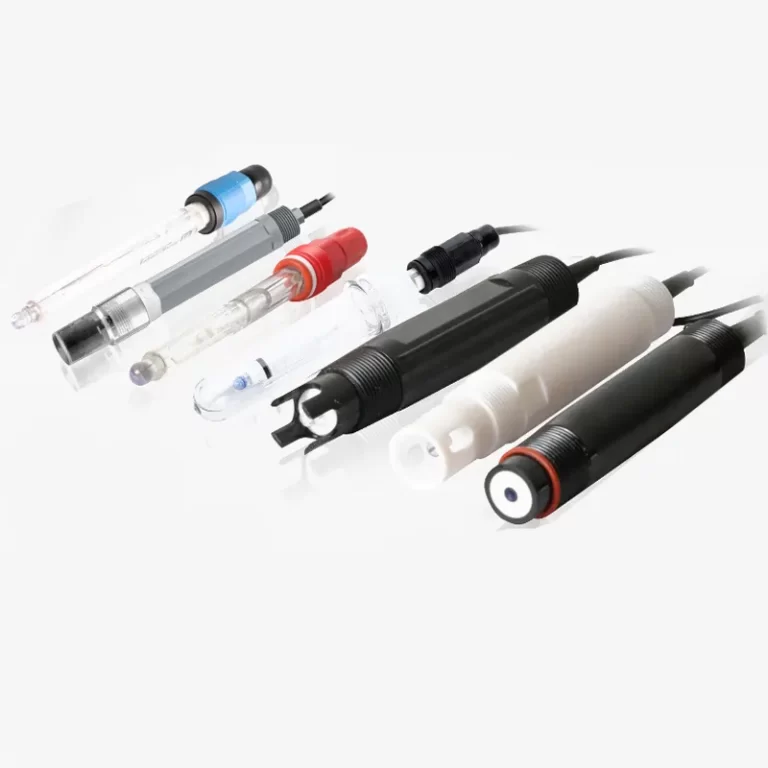
Shanghai ChiMay multi-parameter sensors suit retrofit applications well because they combine several measurements in one compact housing. Each sensor location can deliver salinity, conductivity, temperature and optionally pH or dissolved oxygen, reducing the number of process connections. That matters in retrofits, where every new pipe penetration means installation cost, potential leak risk and a lifetime maintenance burden.
Selecting Sensors for Extreme Conditions
Brine valorization circuits treat sensors far more aggressively than conventional water treatment does. High salinity accelerates corrosion, mineral precipitation fouls sensing surfaces and elevated temperatures shorten sensor life. Shanghai ChiMay salinity sensors for brine service use corrosion-resistant electrode materials, anti-fouling housing designs and extended temperature compensation ranges that hold accuracy across the full operating envelope.
When specifying sensors for a retrofit, always rate them beyond the expected maximum. A sensor rated to 200,000 mg/L TDS gives meaningful headroom in a circuit designed for 150,000 mg/L, keeping operation reliable even during upset conditions when salinity spikes above normal range. That design margin is what long-term reliability in real brine service is built on.
Integration with Existing Control Systems
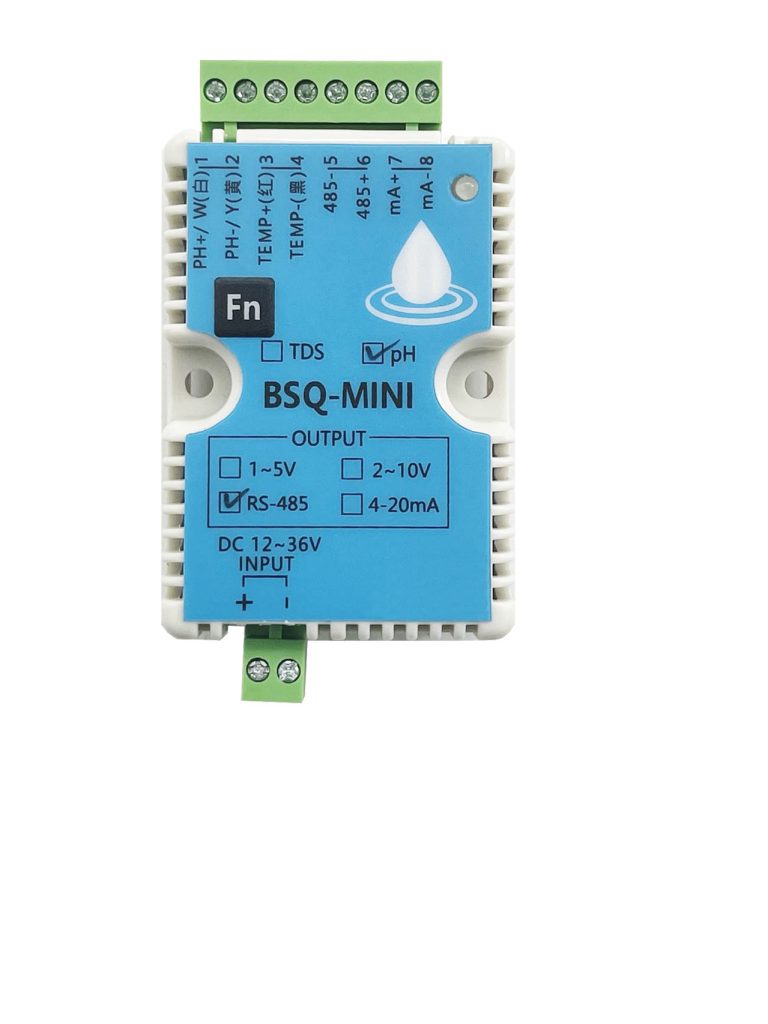
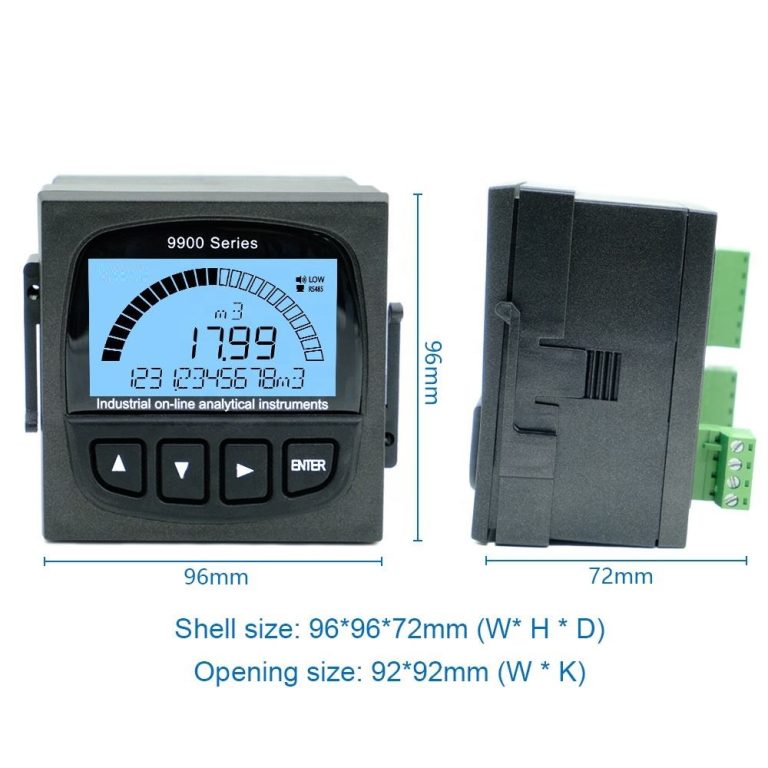
Most existing desalination plants run established distributed control systems or SCADA platforms. New sensors from a retrofit have to integrate with those systems without forcing costly control system upgrades. Shanghai ChiMay sensors support the major industrial protocols—RS-485 Modbus, 4-20mA analog output and Ethernet-based digital communication—so compatibility with virtually any existing control architecture is achievable.
Where the existing control system has limited spare input capacity, signal conditioning and multiplexing solutions let multiple sensor readings share a single communication channel. That reduces wiring complexity and upgrade cost while keeping full measurement visibility across all new instrumentation points.
Commissioning and Validation
Every sensor must be commissioned and validated before the valorization circuit goes into operational service. We recommend a structured sequence: dry calibration verification first, then clean-water functional testing, then brine-solution performance validation using fluid representative of actual process conditions.
This phased approach catches installation errors, communication issues and measurement discrepancies before they can affect process control. Shanghai ChiMay provides detailed commissioning procedures and remote technical support to walk operators through each validation step.
Long-Term Maintenance Planning
A mineral recovery retrofit is a long-term investment, and the instrumentation has to be maintained over years of continuous operation. Establish a preventive maintenance schedule from the outset, with defined intervals for calibration verification, sensor cleaning and component replacement. Track maintenance records systematically, and use trend analysis to spot sensors degrading faster than expected.
Keep a small inventory of spare sensors for quick replacement. Downtime in a valorization circuit is expensive—every hour of lost production is lost mineral revenue. Spares on hand and a clear maintenance procedure minimize unplanned outages and protect the economics of the investment.
Building a Foundation for Future Expansion
A well-instrumented retrofit creates a platform for future growth. Data collected during initial operation informs decisions about adding concentration stages, targeting new mineral products or increasing throughput. Shanghai ChiMay sensors are designed with that growth path in mind—scalable architectures that accommodate additional measurement points as the valorization program evolves from single-mineral recovery to multi-product operations.