Table of Contents
The Complete Guide to Seawater Desalination Sensors: Shanghai ChiMay Solutions
关键要点:
– Selecting appropriate sensors for marine environments requires understanding corrosion mechanisms, fouling patterns, and measurement technologies
– Key parameters for desalination monitoring include conductivity, pH, turbidity, ORP, and differential pressure—each providing essential operational data
– Proper sensor installation and maintenance can extend sensor life to 2-3 years, reducing replacement costs by 40%
– Shanghai ChiMay’s desalination-specific sensors feature marine-grade materials and fouling-resistant designs for reliable long-term performance
– Investment in quality sensors typically delivers 10-20x return through improved membrane life, reduced cleaning costs, and optimized chemical dosing
– Global desalination capacity exceeds 100 million cubic meters daily, with continuous monitoring essential for reliable operation
Introduction
Modern seawater desalination facilities operate around the clock, transforming ocean water into freshwater for millions of people. Behind this transformation lies an extensive network of sensors that monitor water quality, protect equipment, and enable optimized operation. This comprehensive guide covers everything desalination professionals need to know about selecting, installing, and maintaining sensors for marine applications.
The stakes of sensor selection extend far beyond the instrument itself. Sensors enabling early problem detection prevent cascade failures that damage expensive membranes. Monitoring data guides chemical dosing optimization, reducing consumption and costs. Continuous verification of product water quality ensures regulatory compliance. In each case, sensor quality and reliability directly impact facility economics.
Why Desalination Sensors Matter
Protecting Expensive Assets
Desalination membranes represent multi-million dollar investments—individual elements cost $500-1,500, with complete systems requiring hundreds of elements. Sensor-based monitoring protects these investments by detecting membrane damage before significant quality failures, identifying fouling early enough for effective cleaning, verifying chemical dosing prevents scale damage, and tracking performance trends for predictive maintenance.
Facilities with comprehensive sensor networks consistently achieve 5-7 year membrane lifespans, compared to 2-3 years for facilities with minimal monitoring. The difference represents millions of dollars in avoided membrane replacement costs.
Optimizing Operational Costs
Chemical consumption—antiscalants, acids, biocides—often exceeds $500,000 annually for large facilities. Sensors enable precise dosing based on actual water quality rather than conservative estimates. pH sensors optimize acid dosing, saving $50,000-200,000 annually. Conductivity sensors enable accurate scaling predictions. ORP sensors ensure effective disinfection without excess biocide.
Energy represents an even larger operational expense—typical consumption of 3-10 kWh/m³ multiplies across facility production. Clean membranes operating at design conditions minimize energy requirements; fouled membranes demand higher pressures and consume more power. Sensors enabling optimized membrane operation directly reduce energy costs.
Core Parameters for Desalination Monitoring
Conductivity Measurement
Conductivity measurement quantifies dissolved ion concentration—the fundamental indicator of desalination performance. Applications span the entire treatment process: feed water characterization establishes baseline salinity and detects seasonal variations; membrane performance tracking reveals fouling, damage, or integrity issues; concentrate monitoring enables recovery optimization.
Salt rejection rates calculated from conductivity measurements indicate membrane condition. A rejection rate of 99% indicates excellent performance; 98% warrants investigation; 95% indicates significant problems requiring immediate attention.
pH Measurement
pH monitoring enables chemical optimization and scaling prediction. The Langelier Saturation Index (LSI) requires accurate pH measurement—errors of 0.2 units can shift scaling predictions from safe operation to severe fouling conditions. Product quality verification ensures drinking water standards compliance.
Turbidity and Particles
Turbidity measurement indicates suspended solid concentrations. Feed water turbidity should remain below 1 NTU for RO applications. Higher values indicate inadequate pretreatment that will accelerate membrane fouling. Product water turbidity monitoring verifies membrane integrity and product quality compliance.
Differential Pressure
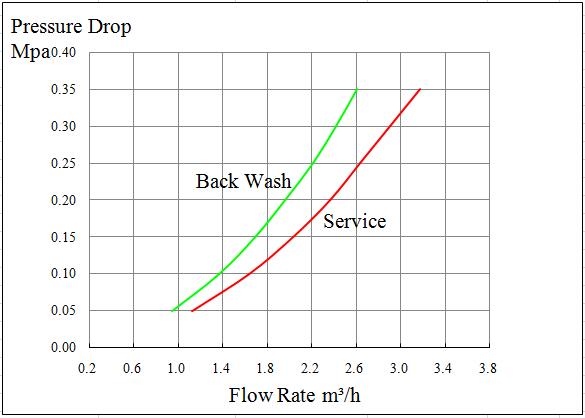
Pressure measurements reveal operational status. Rising differential pressure across membrane vessels indicates fouling accumulation requiring cleaning. Pressure drop across filter housings signals approaching replacement needs.
Installation Best Practices
Location Selection
Proper sensor placement significantly impacts measurement reliability. Sensors must measure water representative of process conditions—not stagnant zones, dead ends, or areas with unusual turbulence. Install sensors close enough to process changes to enable timely response.
Intake sensors should sample from locations representative of overall feed water quality, avoiding areas of sediment accumulation or stratification. Membrane train sensors require positioning that captures actual operating conditions without introducing measurement artifacts.
Environmental Protection
Marine environments accelerate sensor degradation. All mounting hardware, conduit, and junction boxes must use corrosion-resistant materials suitable for coastal atmospheres. Select sensor locations minimizing biological accumulation. Shade sensors or select locations minimizing solar exposure.
Shanghai ChiMay provides comprehensive installation accessories designed for marine environments, including corrosion-resistant mounting hardware and protective enclosures rated for coastal service.
Maintenance Protocols
Calibration Frequency
Calibration requirements vary by sensor type and application. Conductivity typically requires monthly 2-point calibration with standard solutions. pH typically requires weekly calibration with fresh buffers. Turbidity typically requires monthly calibration with formazin standards. Pressure typically requires quarterly zero and span verification.
Sensor Lifespan and Replacement
Quality sensors in marine environments typically last 2-3 years with proper maintenance. Replacement indicators include calibration drift despite proper procedures, physical damage to sensing elements, response time degradation, and intermittent or unstable readings.
Shanghai ChiMay’s modular sensor designs enable cost-effective replacement of sensing elements without complete instrument replacement. This approach reduces waste while maintaining measurement quality.
Selecting a Monitoring Partner
Technical Capabilities
Choose monitoring partners with desalination-specific expertise, comprehensive product lines, and technical support availability. Desalination-specific expertise ensures appropriate product recommendations based on actual facility requirements.
Quality and Reliability
Sensor quality directly impacts operational success. ISO 9001 certification indicates quality management systems. Third-party accuracy verification provides confidence in specifications. Extended warranty options demonstrate manufacturer confidence.
Shanghai ChiMay combines desalination-specific expertise with comprehensive sensor capabilities, providing the monitoring foundation for reliable facility operation. Application engineering assistance helps customers optimize sensor selection and system design.
Conclusion
Seawater desalination sensors form the information backbone of modern facility operation—protecting expensive equipment, optimizing chemical usage, and ensuring product water quality. Success requires appropriate sensor selection, proper installation, and consistent maintenance.
Shanghai ChiMay’s desalination monitoring solutions address every requirement with marine-grade equipment designed for reliable long-term performance. By investing in quality sensors and maintaining them properly, desalination operators can achieve the operational excellence their facilities demand.